Tears, Cameras, Action: Inside Hollywood's Multi-Million Dollar Sorry-for-Profit Machine
Tears, Cameras, Action: Inside Hollywood's Multi-Million Dollar Sorry-for-Profit Machine
Remember when celebrities used to apologize by having their publicist release a boring statement to People magazine? Those days are deader than flip phones and low-rise jeans. Today's A-list mea culpa is a full-scale production that makes Christopher Nolan's latest blockbuster look like a student film project.
Welcome to the apology industrial complex, where "I'm sorry" videos have budgets bigger than most indie films and more strategic planning than a NASA launch. Spoiler alert: nobody's actually sorry, but the production value is absolutely chef's kiss.
The Anatomy of a Perfect Public Breakdown
Let's break down the science behind these masterpieces of manufactured remorse. First up: lighting. Gone are the harsh fluorescents that made everyone look like they belonged in a zombie movie. Today's celebrity apologies feature what industry insiders call "vulnerability lighting" — soft, warm tones that make tears glisten like diamonds and create that perfect "I'm just a regular person who made a mistake" glow.
Then there's the location scouting. These aren't shot in some random corner of a mansion anymore. We're talking carefully curated "authentic" spaces: a minimalist living room that screams "I've learned humility," a kitchen island that suggests "I'm just like you," or — the gold standard — sitting on an unmade bed because nothing says "raw honesty" like wrinkled sheets.
The wardrobe department gets involved too. Those aren't pajamas; they're $300 "casual comfort wear" designed to look like they were thrown on in emotional distress. The slightly smudged makeup? Applied by professionals who specialize in "effortless dishevelment."
The Script Economy of Saying Sorry
Here's where it gets really wild: these videos have actual scripts. Not word-for-word teleprompter situations (that would be too obvious), but carefully crafted emotional beats mapped out by teams of writers who specialize in crisis communication.
The formula is practically trademarked at this point. Start with the long pause — not too long, because attention spans are shorter than a TikTok trend, but long enough to suggest internal struggle. Follow with the voice crack (timing is everything). Then comes the pivot to personal growth, sprinkled with just enough specific details to feel genuine without actually admitting legal liability.
Dialect coaches are the secret weapons here. They don't just work with actors trying to nail accents for period dramas anymore. Now they're teaching celebrities how to modulate their voices for maximum empathy extraction. That slight rasp in the voice? The way certain words get emphasized? Pure theatrical technique.
The Post-Production Magic
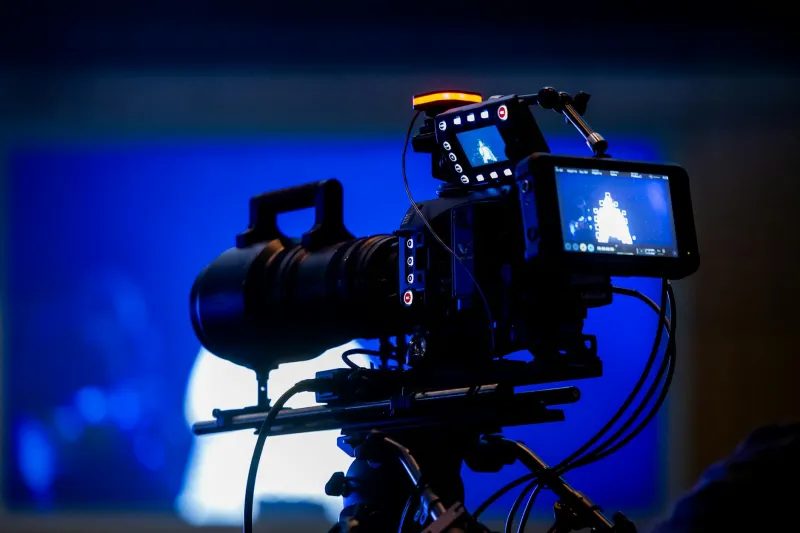
Think these videos are one-take wonders captured in a moment of raw emotion? Think again. The editing process is where the real magic happens. Multiple cameras capture every angle, every tear, every perfectly timed pause. Editors then craft these elements into an emotional journey that would make Pixar jealous.
Color grading specialists ensure the skin tone hits that perfect "I haven't been sleeping" pallor. Sound engineers enhance the natural reverb to make voices sound appropriately hollow and vulnerable. Some videos even include subtle background music — barely audible strings that tug at heartstrings without being obvious about it.
The ROI of Remorse
Here's the part that'll make your head spin: these productions work. Not just for image rehabilitation, but for cold, hard cash. The average celebrity apology video generates more engagement than their regular content, translating directly into increased social media followers, brand partnership opportunities, and — this is the kicker — merchandise sales.
That's right, the modern celebrity apology is essentially a 10-minute commercial for their comeback tour, new album, or lifestyle brand. The comment sections become focus groups, measuring public sentiment and fine-tuning the redemption narrative in real-time.
Some management teams have turned apology videos into loss leaders — investing heavily in production costs because they know the long-term brand rehabilitation will pay dividends. It's not uncommon for these videos to have budgets in the six-figure range when you factor in the full team: PR strategists, crisis communication specialists, video production crews, and post-production teams.
The Authenticity Paradox
The most fascinating part? Audiences know these are productions, yet they still work. We're living in a post-authentic world where the performance of sincerity matters more than actual sincerity. Viewers dissect these videos like film critics, praising good "apology cinematography" and critiquing poor "remorse pacing."
Social media has created a weird feedback loop where celebrities have to out-produce each other's apologies. Last year's simple talking-head format looks amateur next to this year's documentary-style confessionals complete with childhood photos and testimonials from "friends and family."
The Future of Saying Sorry
Where does this arms race end? Industry insiders predict we're heading toward full-scale apology documentaries, complete with Netflix deals and awards consideration. Some celebrities are already working with the same directors who handle their music videos and commercial campaigns.
The apology industrial complex has become so sophisticated that there are now talent agencies specializing exclusively in crisis content. They maintain relationships with production companies that can have a full crew ready within hours of a scandal breaking.
So the next time you see a celebrity's heartfelt apology video, remember: you're not watching a moment of vulnerability. You're watching the most expensive performance art in America, where saying sorry has become the ultimate profit center. The tears might be real, but everything else? Pure Hollywood magic.