From Tequila to Tinted Moisturizer: The Celebrity Brand Gold Rush Has Officially Gone Unhinged
From Tequila to Tinted Moisturizer: The Celebrity Brand Gold Rush Has Officially Gone Unhinged
Let's set the scene. It's a Tuesday. You open Instagram. Before you've even fully woken up, you've been served an ad for a celebrity's small-batch hot sauce, a Grammy winner's "clean" energy drink, and a reality TV star's line of weighted blankets. You close the app. You reopen it. There's now a former boy-bander hawking headphones.
Welcome to 2025, where launching a brand isn't just a side hustle — it's practically a rite of passage. If you're famous and you don't have a product line, people are starting to wonder if you're okay.
But here's the real question, the one nobody wants to ask at the velvet-rope launch party: Is any of this stuff actually good?
Why Everyone With a Verified Checkmark Wants to Be a CEO
The shift from endorsement deals to full ownership didn't happen overnight, but it did accelerate fast. The old model — slap a famous face on someone else's product, collect a check, disappear — started looking less attractive once stars realized they were making millions for brands instead of with them.
The turning point many industry insiders point to? George Clooney and Rande Gerber selling Casamigos tequila to Diageo for a cool $1 billion in 2017. One. Billion. Dollars. For tequila. After that, every celebrity with a liquor cabinet and a lawyer started doing the math.
Ryan Reynolds followed the playbook brilliantly with Aviation Gin (later sold to Diageo as well, sensing a theme here), and suddenly the celebrity spirits market became so crowded you could stock an entire bar with famous people's alcohol without repeating a single brand. Which, honestly, sounds like a great party concept.
But it's not just booze. The celebrity brand boom has sprawled into skincare (everyone's a dermatologist now, apparently), snack foods, wellness supplements, coffee, headphones, clothing, pet products, and — this is real — mushroom-based everything. The logic is simple: own equity, build value, exit rich. The execution? That's where things get messy.
The Hall of Fame: Brands That Actually Delivered
Not all celebrity ventures are born equal, and a few have genuinely earned their hype.
Fenty Beauty remains the gold standard. When Rihanna launched in 2017 with 40 foundation shades, she didn't just start a brand — she exposed an industry-wide failure and made $100 million in the first 40 days. That's not celebrity branding. That's a market correction with a killer highlighter.
Chamberlain Coffee, Emma Chamberlain's brand, works because it feels genuinely hers. She built an audience of people who watched her make coffee on YouTube for years before she ever sold them a bag. Authenticity, it turns out, is still a viable business strategy.
Beats by Dre is worth mentioning even though it predates the current boom — it's the blueprint. Dr. Dre built something so legitimate that Apple bought it for $3 billion. The lesson: make a real product, not a vanity project.
And yes, Skims deserves its flowers. Whatever you think about Kim Kardashian, the shapewear brand hit a $4 billion valuation because it solved an actual problem that women had been complaining about forever. Good product design beats good PR every single time.
The Hall of Shame: When Famous Isn't Enough
For every Fenty, there are roughly seventeen celebrity brands that exist purely to separate you from your money in the most aesthetically pleasing way possible.
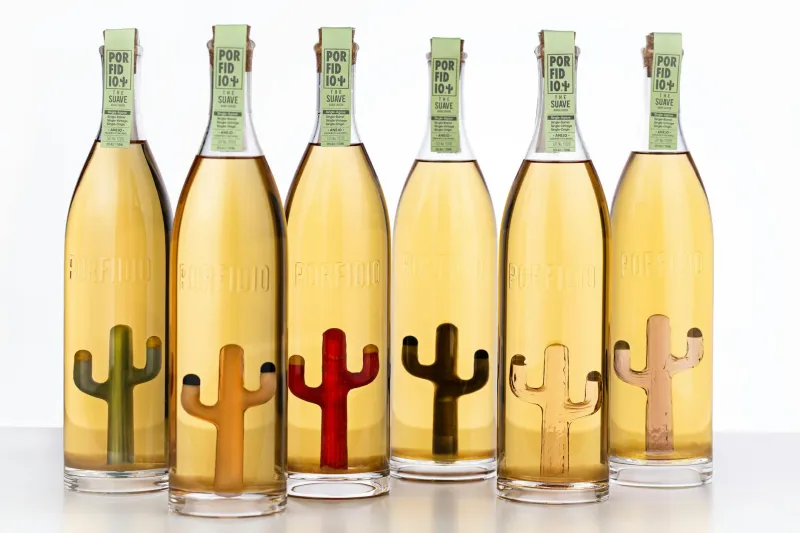
The celebrity tequila market is now so saturated it's become a punchline. There are reportedly over 1,400 tequila brands in the US market. Not all of them are celebrity-owned, but it sure feels that way when you're standing in a liquor store aisle feeling personally overwhelmed.
Celebrity skincare has also reached critical mass. The problem isn't that famous people can't have good skin — clearly some of them do, and we resent them for it. The problem is that "clean," "science-backed," and "dermatologist-approved" have been so thoroughly weaponized by marketing teams that they've lost all meaning. When every celebrity moisturizer costs $85 and claims to be "revolutionary," none of them are.
And let's talk about celebrity snack foods, which feel like the final frontier of shamelessness. When a pop star puts their name on a flavored popcorn or a limited-edition chip, they are not disrupting the snack industry. They are just making snacks more expensive and adding a photo of themselves to the bag.
So How Do You Actually Decide What to Buy?
Glad you asked. Here's a brutally honest consumer framework, free of charge:
Does the celebrity actually use this category of product? A musician selling headphones makes intuitive sense. A musician selling, say, a line of artisanal pasta sauces requires more scrutiny. Ask yourself if the connection is real or if someone just pitched them a licensing deal.
Did they build it or buy into it? There's a difference between a celebrity who co-founded something from scratch and one who took an equity stake in exchange for their Instagram following. Neither is automatically bad, but the former usually produces better products.
Can you find reviews from people who aren't being paid? This sounds obvious, but the influencer-to-celebrity pipeline has made authentic reviews genuinely hard to find. Dig past the gifted posts.
Is the price justified without the name attached? Strip the packaging down to its ingredients, materials, or specs. Would you pay that much if it were a generic brand? If the answer is no, you're paying a fame tax.
Does it solve a real problem or just look good on your shelf? Fenty solved a problem. A lot of celebrity brands are just very expensive shelf décor.
The Bottom Line (Which Is Also Their Bottom Line)
Celebrities launching brands isn't going anywhere — if anything, it's accelerating. The financial incentives are too good, the barriers to entry have dropped, and social media gives every famous person a built-in distribution channel that traditional companies would pay fortunes for.
The good news: some of these products are genuinely excellent, created by people who actually gave a damn about the thing they were putting their name on.
The less good news: for every Fenty Beauty, there's a vanity tequila, an overpriced serum, and a snack collaboration that exists for no reason other than a quarterly earnings call.
Shop accordingly. Your wallet — and your increasingly cluttered bathroom shelf — will thank you.
— Priya Nair, PopWire Today