Cry Now, Buy Later: Inside the Record Label Machine That Turns Celebrity Splits Into Merch Empires
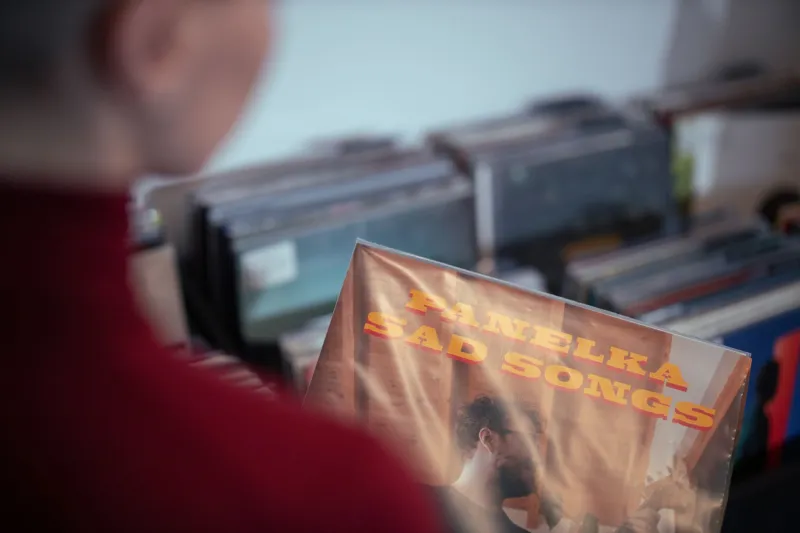
Let's set the scene. Two celebrities — let's call them extremely famous, extremely attractive, and extremely doomed — are still technically together. They're posting couple photos. They attended a red carpet last Tuesday. And yet, four floors up in a midtown Manhattan label office, a licensing executive is already on the phone finalizing a deal for limited-edition heartbreak vinyl pressed in translucent "tear-stained blue."
Welcome to the breakup album industrial complex. Population: every A-list split you've ever emotionally invested in, and approximately one thousand people who are profiting from your feelings right now.
The Calendar Nobody Admits Exists
Here's the thing nobody in the industry wants to say out loud at a dinner party: the merch timeline for a breakup album is often built before the relationship ends. Sometimes before it even starts to crack.
Industry insiders — speaking on the condition of anonymity, because apparently heartbreak has an NDA — describe a process that runs like a military operation. The moment a high-profile artist's romantic situation starts showing what one source called "structural instability," the label's product development team quietly begins pre-production on a full merchandise ecosystem. We're talking hoodies, tote bags, limited vinyl variants, candles with names like "Moving On" and "His Loss," and at least one inexplicable puzzle.
"You're not waiting for the breakup to happen," one former label product manager told us. "You're waiting for the announcement to happen. The product is already sitting in a warehouse in New Jersey."
 Photo: New Jersey, via www.worldatlas.com
The logistics are staggering. Licensing deals for imagery, font choices, color palettes — all of it gets locked in during what sources describe as the "yellow light" phase, when a relationship is publicly fine but privately circling the drain. By the time the artist posts that cryptic Instagram story with no caption and a sad Mitski lyric in their bio, the Shopify store is basically ready to go live.
Sad Lyrics as Inventory Signals
The real trigger? The music itself.
Labels have become extraordinarily sophisticated at reading lyrical content as a supply chain signal. A melancholy bridge about "empty side of the bed" energy in an otherwise upbeat track? That's a soft launch. A full album where track four is literally titled with an ex's nickname? That's a warehouse green light.
"The A&R team and the merch team are now essentially the same meeting," one music industry consultant explained. "They're listening to rough cuts not just for radio potential but for product potential. Does this lyric go on a tote bag? Does this hook anchor a pop-up shop theme? It's all connected."
This is why the rollout for a major breakup album now feels less like an artistic release and more like a Marvel cinematic event. The cryptic posts, the soft lyric teases, the strategically timed paparazzi shots looking wistfully into the middle distance — it's all coordinated to build emotional investment before the first song even premieres. By the time the album drops, fans aren't just buying music. They're buying closure. And closure, as it turns out, retails for $68 plus shipping.
The Licensing Layer Nobody Talks About
Deeper in the machine sits something even more calculated: the mid-romance licensing deal.
Several entertainment attorneys (again, anonymous, because this town runs on plausible deniability) confirmed that it's increasingly common for label contracts to include clauses that essentially pre-authorize the commercial use of a relationship narrative. Not the other person's name or likeness, obviously — that's a lawsuit waiting to happen — but the emotional territory of the relationship. The aesthetic. The vibe. The general concept of "this love that didn't last."
In plain English: by the time you're crying in your car to that devastating bridge, someone signed paperwork about it while the couple was still sharing a Postmates order.
"It's not cynical, it's strategic," one label exec insisted, with the energy of someone who has absolutely never cried at a song in their life. "Artists are processing real emotions. We're just making sure there's infrastructure in place so that when they're ready to share that processing with the world, the world can participate fully."
"Participate fully" meaning: add to cart.
The Fan Ecosystem Is the Point
What makes the breakup merch machine genuinely brilliant — in a morally complicated, slightly unsettling way — is that it doesn't feel like a cash grab to the people buying in. It feels like community.
The limited-edition vinyl isn't just a record. It's a flag you plant that says I was here for this era. The crying-face hoodie isn't merchandise. It's a uniform for a shared emotional experience. Labels have become extraordinarily good at engineering that sense of collective grief, turning what is ultimately a stranger's romantic misfortune into a participatory cultural moment with a gift shop attached.
Fan communities do the rest of the work for free. Unboxing videos, "which variant did you get" threads, heated debates about whether the translucent blue pressing sounds better than the standard black — it's all unpaid marketing that extends the product cycle by months.
"The fans think they're honoring the artist," one digital marketing strategist said. "And maybe they are! But they're also moving units. Both things can be true."
The Uncomfortable Math
Breakup album merch drops for major artists now routinely outperform the album's first-week streaming numbers in terms of raw revenue. A top-tier artist can generate eight figures from a well-timed heartbreak merch cycle — hoodies, vinyl variants, tour presales riding the emotional wave, brand partnership deals with companies who want to be adjacent to the cultural moment.
The tears are real. The grief is real. The music is often genuinely extraordinary.
And somewhere in New Jersey, there's a warehouse full of "Moving On" candles that have been sitting there since before the relationship officially ended, just waiting for their moment.
Business, as they say, has never been better. Your heart, however, is another matter entirely.