Dirt Under the Fingernails (That Cost $800 an Hour): The Coaches Getting Paid to Make Rich Stars Sound Poor
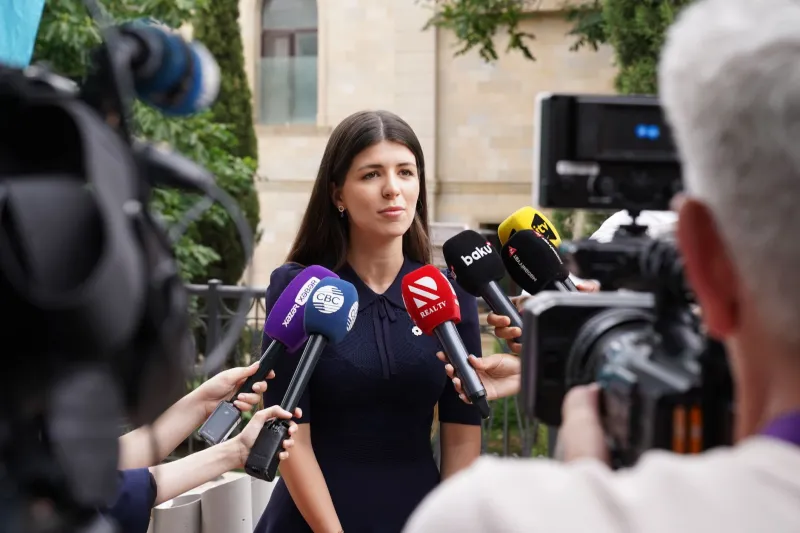
Picture this: a celebrity sits across from a late-night host, leans in conspiratorially, and tells a story about how their family "really struggled" when they were growing up. The audience nods warmly. The host does the empathetic head tilt. Somewhere in a WeWork in Burbank, a consultant pulls up a spreadsheet and marks the segment as a success.
The story might be true. The delivery of the story was definitely rehearsed.
Welcome to Hollywood's relatability industrial complex — a surprisingly robust, shockingly expensive, and increasingly scrutinized cottage industry dedicated to making wealthy celebrities sound, move, and feel like they never left the zip code they came from.
Why Broke Sounds Like Money Now
The demand for this particular flavor of authenticity didn't emerge from nowhere. It's the direct result of a cultural shift that accelerated somewhere around 2016 and has been gaining velocity ever since: audiences, especially younger ones, have developed a finely tuned radar for wealth performance, and they are not charmed by it.
The era of aspirational celebrity — where stars were supposed to be richer, prettier, and more fabulous than you, and you were supposed to love them for it — has given way to something messier and more demanding. Now, audiences want celebrities to be relatable. They want the messy apartment TikTok. They want the "I can't believe this is my life" energy. They want the Costco run and the Trader Joe's haul and the story about the time the family car broke down and everyone had to take the bus.
Brands figured this out first. Endorsement contracts increasingly include language around "authentic lifestyle alignment" — code for we need you to seem like a normal person who would actually use this product. Celebrities who can't credibly perform normalcy are losing deals to micro-influencers who've never had to perform it at all.
So the market responded. Of course it did.
The Coaches and What They Actually Do
The people doing this work don't advertise it. You won't find "Celebrity Relatability Consultant" on a LinkedIn profile. The services get packaged under gentler labels: communications coaching, media training, personal narrative development, brand authenticity consulting. But the actual work is far more specific and considerably stranger.
Speech pattern coaching is the most technically complex piece. Celebrities who grew up in working-class or regional environments and then spent a decade being professionally polished often find themselves in a weird vocal no-man's-land — too smoothed out to sound authentic, not polished enough to sound elite. Coaches work on reintroducing what linguists call "non-prestige features": dropped g's, regional vowels, casual contractions, the rhythmic patterns of informal speech. It's dialect coaching in reverse, and it's meticulous.
The challenge — and the reason it so often fails — is that authentic speech patterns aren't just about sound. They're about cognitive comfort. When someone's nervous or performing, they revert to their most practiced register. Which, for a celebrity who's done a hundred press junkets, is the polished version. The relatability evaporates exactly when the cameras are on.
Wardrobe archaeology is a real thing and it is exactly as wild as it sounds. Stylists working in this space don't just dress celebrities down — they reverse-engineer an entire visual history. They source vintage pieces that are plausibly from the era and region of the celebrity's origin story. They deliberately introduce wear patterns. They build a visual language that signals continuity with a past that, in many cases, the celebrity has spent a decade and a half trying to leave behind.
The goal isn't to look poor. It's to look like someone who could look poor if they wanted to, and occasionally chooses to, because they haven't forgotten where they came from. It's a very specific aesthetic, and it requires a lot of expensive help to nail.
Interview prep and origin story architecture might be the most ethically murky piece of the whole operation. Working with narrative consultants, celebrities develop and refine the personal stories they tell in press settings — specifically, the stories about hardship, struggle, and humble beginnings. The facts, in most cases, are real. The framing, sequencing, emotional emphasis, and specific detail selection are all the product of workshopping.
The "spontaneous" memory that lands so perfectly in a profile interview? There's a strong chance it's been told, refined, and rehearsed enough times that the celebrity can deliver it with genuine emotional resonance. Which is, in a deeply weird way, its own kind of authentic. Or something.
The Audience Is Getting Smarter
Here's the problem: it's not really working anymore.
The same digital culture that created the demand for celebrity relatability has also produced an audience that is extraordinarily good at detecting its absence. Social media has made everyone a close reader of celebrity behavior, and the inconsistencies pile up fast. The "humble" grocery store trip photographed in front of a $4 million house. The carefully distressed vintage tee that's been authenticated by fashion Twitter as a $600 resale piece. The "spontaneous" story that appears, word for word, in three separate interviews across two press cycles.
Gen Z in particular has developed what can only be described as a collective immunity to coached relatability. They don't just clock it — they archive it, compile it, and post it with timestamps. The internet never forgets, and it especially never forgets the version of you that existed before the media training.
Brands Are the Engine (and Also the Problem)
The uncomfortable irony at the center of all this is that the brands demanding authentic relatability are simultaneously making it structurally impossible. A celebrity can't credibly perform working-class normalcy while also being the face of a luxury skincare line, headlining a Vegas residency, and attending a Met Gala. The contradictions are too visible. The lifestyle is too documented.
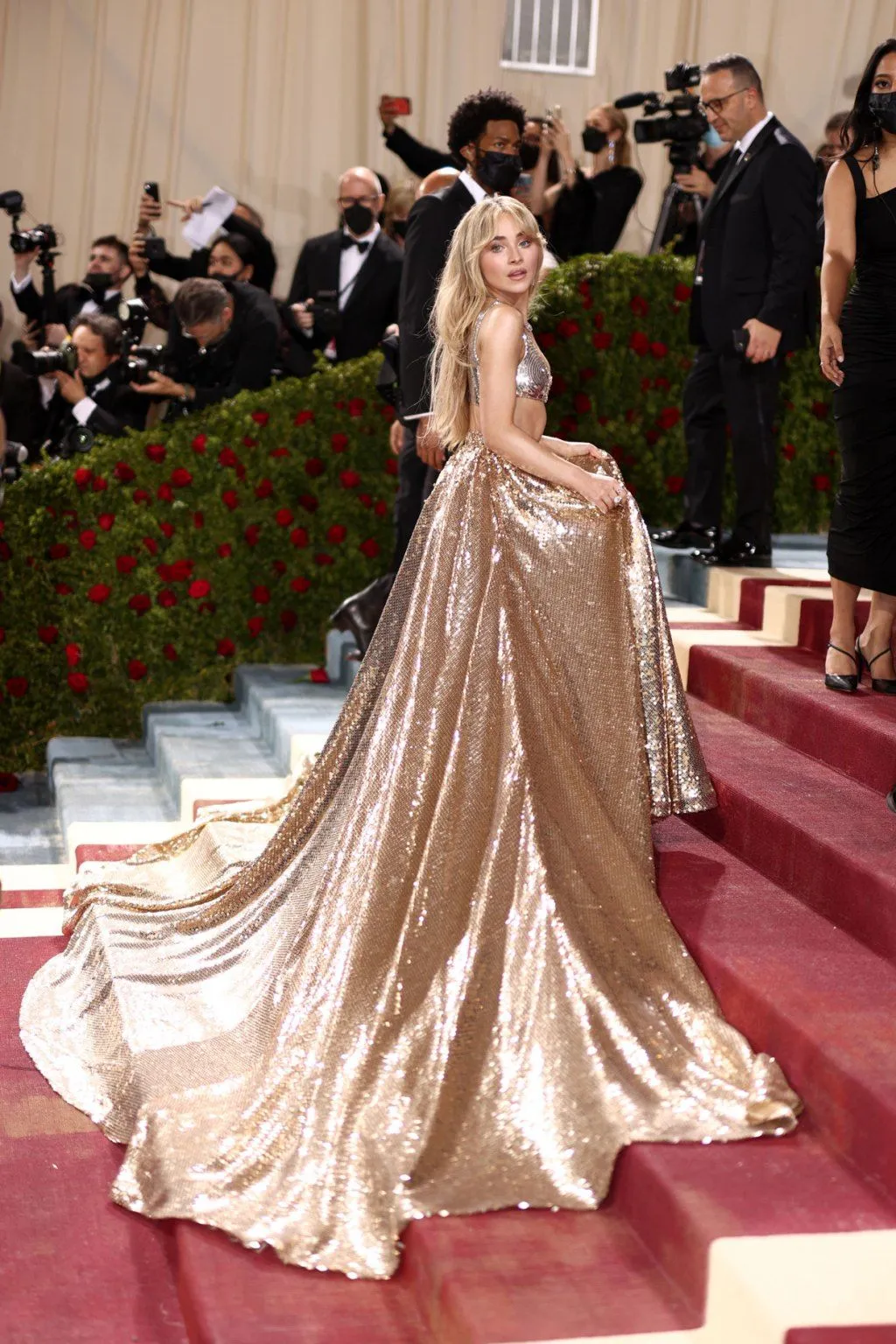 Photo: Met Gala, via i.pinimg.com
What brands actually want — and what they're paying for — isn't authenticity. It's the feeling of authenticity. The warm, slightly fuzzy sense that this person is, at their core, just like you. That the money and the fame are incidental. That somewhere under the stylist and the speech coach and the narrative consultant, there's a regular person who gets it.
Whether that person actually exists is, for the purposes of the quarterly marketing report, somewhat beside the point.
So Is Any of It Working?
Depends on the celebrity. The ones who pull it off most convincingly tend to be the ones who are doing the least coaching — people who genuinely retained something of their original self despite the industry's best efforts to sand it off. The coaching, when it works, is almost invisible: a slight softening here, a more natural cadence there, nothing that sets off the audience's internal alarm system.
The ones who fail tend to fail loudly. The performance is too polished, too consistent, too perfectly deployed. Real people are inconsistent. Real humility is awkward. Real working-class vernacular is context-dependent and imprecise. When everything lands perfectly, it lands fake.
The richest irony in this whole enterprise is that the celebrities who come across as most genuinely relatable are the ones who probably never hired anyone to make them that way. And the ones who hired the most help are frequently the ones who seem the most aggressively, expensively, unmistakably rich.
The dirt under the fingernails was $800 an hour. And somehow, everyone can tell.