Background Character Energy: How TikTok Crowned TV's Extras as the New Main Characters
The Revenge of the Extras
Remember Subway Dad from "Stranger Things"? Neither did Netflix until TikTok turned him into a whole-ass cultural moment. What about the barista from episode three of "Emily in Paris" who served coffee for exactly 4.7 seconds? She now has 2.3 million followers and her own podcast about Parisian cafe culture.
Welcome to the upside-down world where background characters are becoming bigger than the actual protagonists, and nobody saw it coming — especially not the studios writing the paychecks.
The Algorithm Loves an Underdog
TikTok's recommendation engine has basically become a talent scout for people who were never supposed to be talent. The platform's algorithm seems to have a bizarre soft spot for characters who appear on screen for milliseconds, speak two lines max, and somehow embody the exact energy that Gen Z didn't know they needed.
Take "Hallway Girl" from "Euphoria" — a background extra who walked past Rue exactly once while eating a bag of chips. TikTok users turned her into a symbol of unbothered confidence, spawning thousands of tribute videos and turning her chip-eating technique into a viral dance. The actress, who was paid $150 for the day, now has brand deals with three major snack companies.
The Science of Side Character Supremacy
What makes these random characters catch fire? It's not accidental. Social media has created a whole new category of relatability that main characters simply can't access. Protagonists are too polished, too central to the plot, too burdened with character development. But that random person in the coffee shop? They're just living their life, and apparently, that's exactly what viewers want to see.
Fan accounts dedicated to these micro-characters are exploding across platforms. @SubwayDadSupremacy has 800K followers. @EmilyInParisBarista posts daily "outfit inspiration" despite wearing the same uniform for four seconds of screen time. There's literally a subreddit called r/BackgroundCharacterEnergy with 1.2 million members analyzing the deeper meaning behind every extra's facial expression.
Studios Scramble to Cash In
Hollywood is having a full-scale panic attack trying to figure out how to monetize this chaos. Some networks are quietly reaching out to viral background actors about reprising their roles — roles that were never supposed to exist beyond a single scene.
Netflix reportedly developed an entire subplot for Season 2 of a major series just to bring back a delivery driver who became TikTok famous for his three-second appearance in Season 1. HBO Max is rumored to be considering a spin-off series centered around a character who appeared in exactly one episode of "The White Lotus" and said nothing but "Excuse me."
 Photo: The White Lotus, via wherever-i-look.com
The really wild part? Some shows are now casting background roles specifically with viral potential in mind. Casting directors are looking for "TikTok-ready" extras with strong social media presence and the kind of magnetic energy that translates through a phone screen.
The Economics of Accidental Fame
These overnight micro-celebrities are cashing in hard. "Grocery Store Mom" from "This Is Us" parlayed her 0.3-second appearance into a lifestyle brand worth seven figures. She sells "Authentic Grocery Shopping" courses and has a waiting list of 50,000 people for her "How to Be Naturally Magnetic" masterclass.
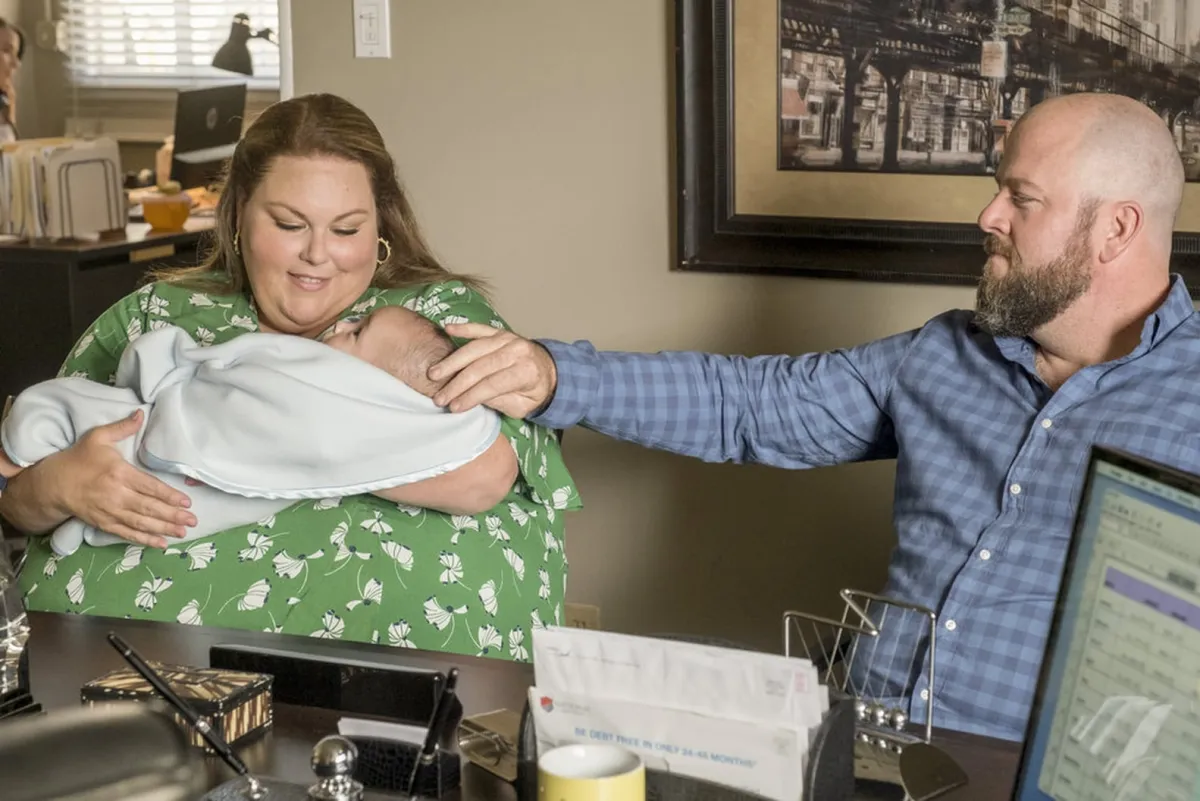 Photo: This Is Us, via media1.popsugar-assets.com
Meanwhile, the actual leads of these shows are watching their supporting cast members out-earn them on Cameo. Some background actors are charging more for personalized video messages than series regulars, simply because they've achieved meme status.
The Cultural Shift Nobody Predicted
This phenomenon represents something bigger than random internet fame. Audiences are actively rejecting traditional celebrity hierarchy and creating their own star system based on vibes rather than screen time. It's democracy in action, if democracy was run by teenagers with excellent taste in random people.
The psychological appeal is obvious: these characters feel achievable. They're not superhuman or impossibly glamorous. They're just existing in the background of someone else's story, and somehow that feels more authentic than any carefully crafted protagonist arc.
The Future of Background Supremacy
As this trend explodes, we're seeing the emergence of professional "background influencers" — people who specifically seek out extra roles hoping to catch lightning in a bottle. Some talent agencies are starting to represent background actors as potential viral content creators rather than traditional performers.
Studios are also experimenting with "background character spotlights" — official social media content that highlights random extras and their stories. It's a desperate attempt to control a phenomenon that thrives specifically because it can't be controlled.
The Main Character Problem
Meanwhile, actual stars are having an identity crisis. When a random person walking a dog in the background of your $200 million series gets more fan mail than you do, it raises some uncomfortable questions about the nature of charisma and star power in the digital age.
Some A-listers are reportedly hiring consultants to help them capture "background character energy" in their performances — essentially trying to unlearn their main character training to seem more naturally magnetic.
The internet has spoken: sometimes the most interesting person in the room is the one who isn't trying to be interesting at all. And Hollywood is scrambling to figure out what the hell to do with that information.
In the attention economy, sometimes the best way to get attention is to act like you don't want it. Just ask Subway Dad.