When Swifties Became Economic Indicators
Somewhere in a glass tower in Manhattan, a team of analysts is currently tracking every Taylor Swift fan account on Twitter, measuring sentiment, mapping geographic distribution, and feeding it all into algorithms that help predict everything from tourism revenue to retail sales. This isn't fan behavior analysis — this is economic forecasting.
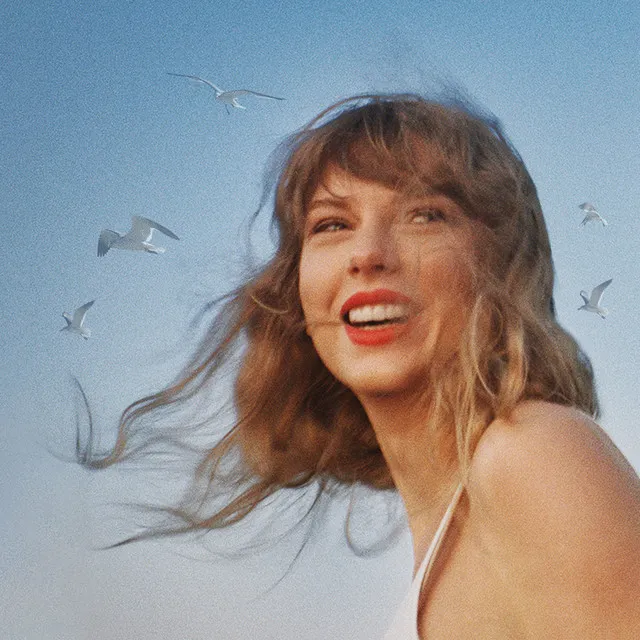 Photo: Taylor Swift, via i.scdn.co
Welcome to the bizarre new reality where your parasocial relationship with a pop star has become a legitimate financial instrument, and corporations are treating fandoms like the world's most enthusiastic unpaid market research team.
The Army That Moves Mountains (And Stock Prices)
It started with BTS. When the K-pop supergroup announced their hiatus in June 2022, HYBE Corporation's stock price immediately dropped 25%. Not because of quarterly earnings or industry trends — because millions of fans collectively had feelings about it, and those feelings translated into very real financial consequences.
That's when Wall Street sat up and paid attention. If seven guys from Seoul could move a billion-dollar company's valuation with a single YouTube video, what other market signals were hiding in plain sight on Stan Twitter?
"We realized we'd been ignoring the most powerful focus group in human history," explains Dr. Rebecca Martinez, who runs trend analysis for a major investment firm. "These aren't just fans — they're economic actors with real purchasing power and predictable behavioral patterns."
Her team now monitors 47 different fandoms across multiple platforms, tracking everything from streaming numbers to merch sales to concert attendance patterns. The data gets fed into models that help predict which cities will see tourism spikes, which fashion trends will hit mainstream retail, and which streaming platforms are about to see subscription surges.
The Eras Tour Economy
Taylor Swift's Eras Tour became the ultimate case study in fandom as economic force. Cities that hosted shows saw hotel bookings increase by an average of 96%. Local restaurants reported revenue spikes of 30-40% on show weekends. Even completely unrelated businesses — nail salons, vintage clothing stores, friendship bracelet supplies — saw massive upticks.
But here's where it gets really wild: economists can now predict these impacts with startling accuracy by analyzing fan behavior patterns months in advance. They track which cities have the highest concentration of Swift fan accounts, monitor merchandise sales data, and even analyze the sentiment of fan-created content to forecast economic impact.
"We can tell you almost exactly how much revenue a city will generate from a major concert before tickets even go on sale," explains Martinez. "The fans basically do the market research for us."
The Parasocial Stock Exchange
Some investment firms have started creating what they internally call "fandom portfolios" — investment strategies built around predicting fan behavior. When Olivia Rodrigo releases a new single, they buy stock in companies that manufacture items frequently referenced in her lyrics. When a K-pop group announces a comeback, they invest in South Korean beauty brands.
The strategy sounds absurd, but the returns are legitimate. One firm reported 23% gains last year using fandom-based trading algorithms.
"Fans are incredibly predictable consumers," explains portfolio manager James Chen. "They have strong emotional attachments, high disposable income, and they move in coordinated waves. From an investment perspective, it's actually more reliable than traditional market indicators."
The Merch Drop Market Manipulation
Perhaps the most sophisticated example of fandom financialization is how major brands now coordinate product launches around fan behavior cycles. They've identified optimal windows for releasing celebrity collaborations based on streaming patterns, social media engagement, and even relationship rumors.
When Selena Gomez posts a particular type of Instagram story, certain beauty brands see their sales spike within 48 hours. So now those brands have automated systems that monitor her social media activity and adjust their marketing spend in real-time.
"We're essentially day-trading celebrity influence," admits a marketing executive who requested anonymity. "We have algorithms watching every major celebrity's social media accounts, and when certain engagement thresholds are hit, our systems automatically increase ad buys for related products."
The Convention Complex
The convention and festival circuit has become a massive economic ecosystem built entirely on organized fandom. Comic-Con San Diego generates over $140 million in economic impact annually. Coachella brings in $700 million. But now smaller, niche fan conventions are being recognized as significant economic drivers.
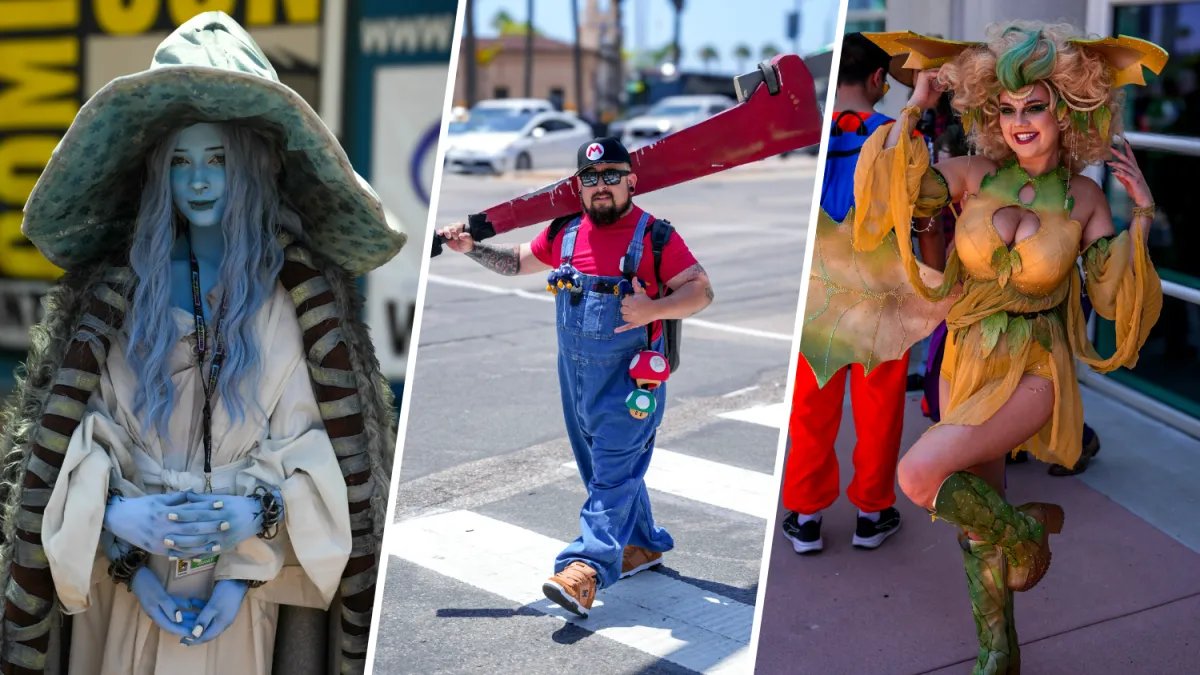 Photo: Comic-Con San Diego, via media.nbcsandiego.com
A single weekend BTS fan convention in Las Vegas generated $12 million in local revenue. A Taylor Swift-themed festival in Nashville brought in $8 million. Cities are now actively courting fan convention organizers the same way they court major sports events.
"Fan conventions have become economic development tools," explains tourism economist Dr. Sarah Kim. "Cities are realizing that a dedicated fanbase will travel further and spend more than almost any other type of tourist."
The Streaming Wars Get Personal
Streaming platforms have started making content decisions based on fandom analysis rather than traditional ratings. They monitor which artists have the most engaged fan communities, then create documentary content specifically designed to feed those parasocial relationships.
Netflix's decision to produce multiple Taylor Swift documentaries wasn't based on her general popularity — it was based on algorithmic analysis showing that Swift fans have the highest completion rates and the lowest churn rates of any demographic on the platform.
"We're not just buying content anymore," explains a streaming executive. "We're buying access to fan communities. The content is almost secondary."
The Dark Side of Monetized Devotion
While corporations celebrate the profitability of organized fandom, some experts worry about the ethical implications of monetizing emotional labor. Fans create content, drive engagement, and generate buzz without compensation, while corporations profit from their unpaid work.
"These companies are essentially extracting value from emotional labor," argues Dr. Amanda Foster, who studies parasocial relationships. "Fans aren't just consumers — they're unpaid brand ambassadors, content creators, and market researchers. But they're not seeing any of the financial upside they're generating."
The Future of Fandom Finance
As this ecosystem continues to evolve, some companies are experimenting with ways to directly compensate fan communities for their economic impact. A few brands have started offering profit-sharing arrangements with major fan account operators. Others are creating formal partnership programs with fan convention organizers.
The next frontier might be "fandom futures" — financial instruments that allow investors to bet on the long-term economic value of specific fan communities. It sounds dystopian, but given how much money is already flowing through these ecosystems, it might be inevitable.
"We're moving toward a world where your favorite artist's fanbase operates like a small country's economy," predicts Martinez. "And like any economy, there will be people trying to profit from it."
So the next time you're tweeting about your favorite artist or buying concert tickets, remember: somewhere, an algorithm is watching, learning, and probably making money off your enthusiasm. Welcome to the attention economy, where your love is literally someone else's profit margin.