Account Flippers Are Getting Rich Off TikTok Fanbases That Have No Idea They've Been Sold
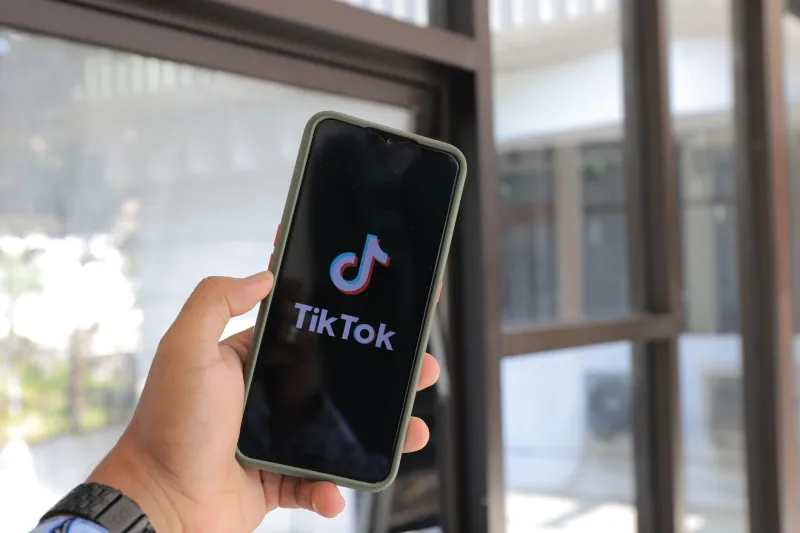
Imagine spending two years building a following of 800,000 people on TikTok. You've posted every day, refined your niche, learned the algorithm's quirks, cultivated a community that feels genuinely yours. Then imagine quietly selling all of it — the account, the followers, the engagement history — to an anonymous buyer for $300,000, walking away, and watching those 800,000 people slowly realize that the creator they followed doesn't exist anymore.
Now imagine being the buyer, rebranding the whole thing as a drop-shipping store for protein supplements, and flipping it again six months later for $750,000.
This is happening. Right now. At scale. And it's one of the least-discussed economies in all of social media.
The Marketplace Nobody's Talking About (Except the People Making a Killing)
The buying and selling of social media accounts isn't new — Instagram page flipping has existed for years in the digital marketing underground. But TikTok's algorithm-first model, combined with the platform's explosive growth and its unique ability to generate loyal rather than merely large audiences, has turned account trading into something closer to a commodities market.
Brokerages that specialize in social media asset transactions — firms operating in a legal gray zone that most mainstream media ignores — now list TikTok accounts alongside YouTube channels and Instagram pages the way a real estate agent lists properties. Prices are set based on follower count, engagement rate, niche category, audience demographics, and something brokers call 'transferability' — basically, how likely the existing audience is to stick around after the rebrand.
Accounts in the personal finance, fitness, and parenting niches command the highest premiums. Why? Because those audiences are sticky, purchase-intent-driven, and skew toward demographics that advertisers pay top dollar to reach. A 500,000-follower personal finance TikTok account with a 6% engagement rate from users aged 25-34 is, to the right buyer, worth more than some mid-market media companies.
'It's like buying a pizza restaurant because of its location and loyal regulars, then converting it to a steakhouse,' explained one broker who operates out of Miami and declined to be named. 'The regulars might leave. But some of them are hungry enough to stay.'
The Flip Architecture: How It Actually Works
The mechanics of a TikTok account flip follow a fairly consistent playbook, according to multiple sources familiar with the industry.
Step one: Acquisition. Brokers approach creators directly, often via DM or email, pitching a lump-sum buyout. Burned-out creators — and there are a lot of them — are prime targets. Someone who's been grinding daily content for two years and is making decent but not life-changing ad revenue can suddenly be looking at a six-figure check to hand over their login credentials. Many take it.
Step two: Dormancy. Most flippers don't immediately rebrand. They let the account sit quiet for two to four weeks, sometimes posting vague 'big changes coming' content to retain followers while the new strategy is finalized. This also gives them time to audit the existing audience data through TikTok's analytics dashboard.
Step three: The pivot. Content strategy shifts gradually. The original creator's face, voice, and personality are phased out. New content — often faceless, often product-focused — starts replacing the personal stuff. Followers who comment asking where the original creator went are either ignored or given a vague 'I needed a change' response posted in the creator's old voice.
Step four: Monetization or resale. The account is either monetized directly through affiliate marketing, sponsored content, or product sales, or it's listed for resale at a higher valuation once the new content strategy has demonstrated engagement viability.
The Followers Are the Real Asset — And They Don't Get a Vote
Here's what makes this ethically murky in ways that the industry would rather not discuss: the followers didn't sign up to follow a brand. They signed up to follow a person. Their engagement — their comments, their shares, their emotional investment — was built around a specific human being who no longer controls the account they're interacting with.
In a practical sense, what's being bought and sold isn't just an account. It's trust. Parasocial relationships, packaged and liquidated.
TikTok's terms of service technically prohibit the sale of accounts, which is why the industry operates in the shadows and transactions are structured creatively — as 'brand partnerships,' 'content licensing agreements,' or 'management takeovers.' Whether TikTok actually enforces these rules with any consistency is, charitably, debatable.
FTC guidelines on influencer marketing require disclosure of material relationships between creators and brands — but when the creator is the brand, and the brand has quietly changed hands, the disclosure framework gets fuzzy fast. Legal experts who follow the influencer space say this is an area almost entirely without regulatory clarity.
Who's Buying, and How Much Are They Spending?
The buyer pool is more diverse than you'd expect. It includes:
- E-commerce operators looking for built-in audiences to push products to without having to build a following from scratch
- Media holding companies quietly assembling portfolios of niche accounts the way a publisher acquires magazines
- Private equity-adjacent investors who treat high-engagement accounts as yield-generating assets
- Competing creators buying accounts in adjacent niches to consolidate audience share
Pricing varies wildly, but industry insiders suggest a rough rule of thumb: accounts with strong engagement in high-CPM niches (finance, health, tech) typically trade at 20-40x their monthly ad revenue. A finance TikTok pulling $8,000 a month in sponsorships could realistically sell for $160,000 to $320,000. Accounts with exceptional audience demographics or viral history command premiums well above that.
At the high end, accounts with over a million followers in desirable niches have reportedly changed hands for seven figures.
The Original Creators: Cashing Out or Selling Out?
The creators who sell are, understandably, reluctant to discuss it publicly. The stigma is real — audiences feel betrayed when they find out, and the backlash can be swift. But off the record, the reasoning is often straightforward.
'I was making okay money but I was exhausted,' said one former lifestyle creator who sold an account with roughly 600,000 followers last year. 'They offered me enough to take a year off and figure out what I actually wanted to do. I took it. I started a new account under a different name. Nobody connected the dots.'
That last part — starting fresh under a new identity — is increasingly common. Some creators have reportedly cycled through this process multiple times: build, sell, restart, repeat. It's a business model as much as a creative practice.
For the followers left behind, scrolling through an account that used to feel personal and now feels like a catalog? There's no notification. No explanation. Just a slow, creeping sense that something changed — and an algorithm that keeps serving them content anyway.