Gone in 72 Hours: The Science Behind Your Favorite Influencer's Suspiciously Well-Timed Disappearing Acts
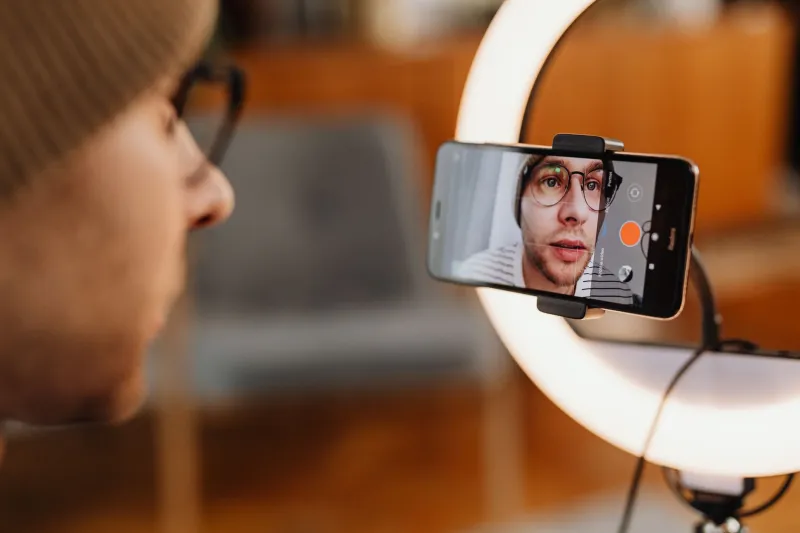
You've seen it happen a hundred times. Your favorite influencer posts a shaky, emotionally raw video — maybe some light crying, definitely a ring light, absolutely a linen backdrop — announcing they need to 'step away and focus on their mental health.' The comments flood with 'we love you, take all the time you need.' You genuinely feel bad. You check their page every other day just in case.
And then, roughly three to six weeks later, they're back. Glowing. Rested. Posting a 'I'm BACK and I have so much to tell you' video that racks up three times their normal view count.
Here's the thing nobody's telling you: that whole arc? Pre-planned. Storyboarded. In some cases, literally on a content calendar.
The Algorithm Doesn't Miss You — But It Does Reward You for Coming Back
Social media strategists have spent years reverse-engineering what platforms like Instagram, TikTok, and YouTube actually reward — and one of the dirtiest little secrets of the creator economy is that a well-timed absence can do more for your metrics than six months of consistent posting.
Here's the basic mechanic: platforms track engagement rate, not just raw numbers. If you've been posting daily to slowly declining engagement, your account starts to look stale to the algorithm. But if you go dark for three to five weeks and come back with a single high-emotion piece of content, your re-engagement rate looks explosive by comparison. The algorithm reads it as a surge. It pushes your content harder. Your comeback post gets served to people who hadn't seen you in months.
You didn't grow your audience. You just manufactured the appearance of growth.
'It's essentially a controlled burn,' said one digital strategy consultant who works with mid-tier influencers in the beauty and lifestyle space (and who, perhaps unsurprisingly, asked to remain anonymous). 'You let the field go fallow for a bit, and when you plant again, everything takes.'
The Hiatus Template Is Embarrassingly Standardized
Spend enough time following creators across niches and you'll start to notice the formula. It goes something like this:
Week 1: Posting frequency drops slightly. Captions get more introspective. There might be a vague 'been going through a lot lately' Story.
Week 2: The announcement. Usually video, usually emotional, almost always mentions burnout, 'showing up authentically,' and gratitude for the community. Comments are left open. Creator does not go fully dark — they still like a few fan posts and respond to one or two DMs, just enough to keep the parasocial bond alive.
Week 3-4: Radio silence on main. Possible low-key activity on a secondary platform (a Substack post, a close-friends-only Story) to keep the core audience engaged without feeding the main algorithm.
Week 5-6: The return. High-production value, emotionally resonant, often paired with a brand deal that was negotiated before the hiatus began.
That last part is worth sitting with for a second. The brand deal was negotiated before the hiatus. Meaning the sponsor knew the creator was 'going through something' because the creator told their agent, who told the brand manager, who signed off on a comeback integration.
Your Concern Is the Product
The most uncomfortable part of this whole machine isn't the algorithmic manipulation — it's the emotional one. These hiatuses work because audiences genuinely care. The worry you feel when a creator goes quiet, the relief when they come back, the warmth you extend because they were 'vulnerable' with you — that's not incidental. That's the mechanism.
Digital media researchers have a term for this: parasocial maintenance through strategic withdrawal. Basically, absence makes the parasocial heart grow fonder. When you're used to someone showing up in your feed every day and they suddenly disappear, your brain registers it similarly to how it would register a friend going quiet. You notice. You wonder. And when they come back, you're more emotionally invested than you were before they left.
That spike in emotional investment translates directly into engagement metrics. More comments. More shares. More saves. More time spent watching. All of which feeds the algorithm. All of which feeds the next brand deal negotiation.
'The audience's concern is essentially free marketing,' noted one creator management firm executive, speaking at a creator economy conference last year. 'You don't have to manufacture buzz if you've manufactured worry.'
The Burnout Economy Is Booming
What makes this particularly wild is that the mental health framing isn't always cynical — sometimes creators genuinely are burned out. The problem is that 'genuine burnout' and 'strategically timed hiatus' have become so intertwined that it's nearly impossible to tell them apart from the outside. And increasingly, from the inside.
Some creators report that their teams now build 'recovery windows' into annual content calendars the same way a TV network schedules a midseason break. It's not exploitation — it's just planning. But it does raise the question of whether a break stops being restorative the moment it becomes a deliverable.
One creator in the gaming space, speaking on a podcast earlier this year, described being handed a 'mental health hiatus schedule' by their management team. 'They told me the optimal break length based on my subscriber velocity,' they said. 'Like, here's when you're most likely to get the biggest comeback bump. I don't know if I should be impressed or horrified.'
Honestly? Both. The answer is both.
So What Do You Do With This Information?
Look, nobody's saying your favorite creator is a sociopath running psychological experiments on you from a linen-backdrop home studio. Most of them are genuinely navigating an industry that incentivizes this kind of behavior at a structural level. The platforms built the reward system. The management teams optimized for it. The creators adapted to survive.
But you, the audience? You're the variable in every equation. Your engagement patterns are what the whole system is being calibrated against. The hiatus only works because you care. The comeback only pops because you were waiting.
Next time someone you follow posts that shaky, heartfelt 'I need to take a step back' video, you're allowed to feel something real about it. Just maybe also check when their last brand deal ended and when their next one is rumored to start.
The math tends to be illuminating.