Confess, Don't Address: Why Every Celebrity Apology Now Lives on a Podcast Couch
Confess, Don't Address: Why Every Celebrity Apology Now Lives on a Podcast Couch
Let's set the scene. A celebrity has done a thing. The thing has been thoroughly documented, screenshot, and ratio'd into oblivion. The PR team has convened an emergency Zoom. The options are laid out: a press release (too corporate), a live interview (too dangerous), a tearful Instagram video (too 2020), or — and here's where someone in the meeting gets a very knowing look on their face — a podcast episode.
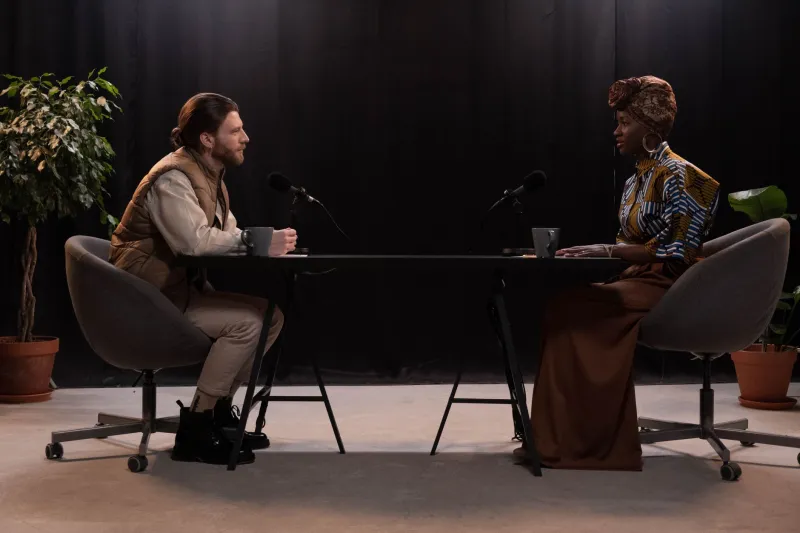
Specifically, their podcast. Or a very friendly host's podcast. Somewhere with good audio, comfortable furniture, and absolutely zero chance of a follow-up question that hasn't been pre-screened.
Welcome to the podcast confessional era, where Hollywood's most calculated non-apology apologies are dressed up in the aesthetic of raw vulnerability and served to you between ads for mattresses and vitamin supplements.
The Architecture of the Perfect Podcast Sorry
If you've consumed enough celebrity podcast appearances in the last three years — and statistically, you have — you've probably noticed they follow a remarkably consistent structure. This is not an accident. PR professionals have essentially developed a genre, complete with its own conventions, tropes, and unspoken rules.
It goes like this:
Phase One: The Soft Open. The host, who is either the celebrity themselves or a close friend/ally, eases into the topic with something like, "I think people have been wanting to hear you talk about this..." Note the framing: the audience wants this. The celebrity is doing us a favor by discussing it.
Phase Two: The Reframe. Before any actual accounting for behavior occurs, the narrative gets quietly repositioned. "That was such a hard time for me personally" is a classic opener here. Suddenly, the person who did the thing is also, somehow, a victim of the circumstances that led to the thing. Remarkable.
Phase Three: The Strategic Pause. Audio producers who work on celebrity podcast episodes have noted — again, anonymously — that these pauses are sometimes added in post. A beat of silence, a soft exhale, the sound of someone collecting themselves. It communicates emotional weight without requiring the actual emotion to have occurred during recording.
Phase Four: The Non-Apology Apology. "I've done a lot of reflecting" is the industry standard. Variations include: "I wasn't in the best headspace," "I've grown a lot since then," and the perennial favorite, "I think people misunderstood what I meant." Note that none of these are apologies. They are apology-adjacent. They have the shape of accountability without the inconvenient substance of it.
Phase Five: The Pivot to Growth. The episode ends with the celebrity in a better place, having learned, having evolved, having emerged from this difficult period stronger. A book, tour, project, or collaboration is mentioned. The healing, conveniently, is complete just in time for the promotional cycle.
Why the Podcast Beat the Press Release
For roughly two decades, the celebrity damage control playbook was dominated by the carefully worded press release — a bloodless, lawyer-approved statement that said nothing while technically saying something. Then came the era of the Instagram apology video, which added visual vulnerability but also introduced the terrifying variable of the comment section.
The podcast solved both problems elegantly. It has the intimacy of the video apology — you can hear the emotion, the pauses, the occasional voice crack — without the accountability of a live format. There's no Anderson Cooper sitting across from you. There's no journalist who has done six weeks of research and has seventeen follow-up questions ready. There's just a microphone, a ring light, and a host who really, really wants this to go well for everyone.
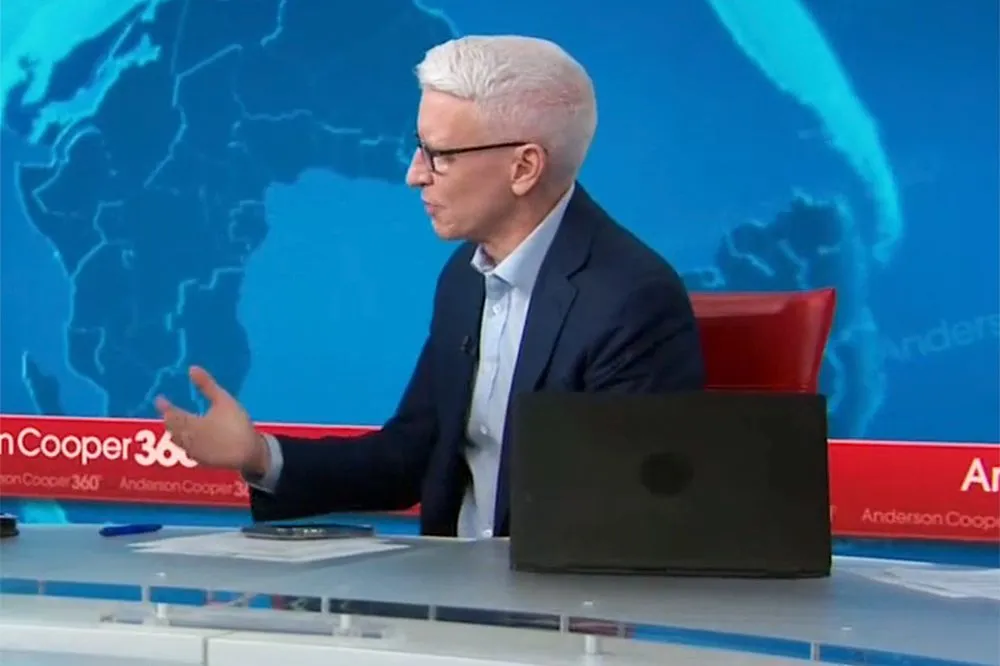 Photo: Anderson Cooper, via people.com
"The podcast format gives the illusion of access while providing total control," explained one PR strategist who works with multiple household names. "You're hearing them in their own words, in their own space, on their own terms. That feels like transparency. It's actually the opposite of transparency."
The Friendly Host Industrial Complex
Not every celebrity has their own podcast — yet. For those who don't, the industry has developed a secondary ecosystem: the sympathetic host. These are podcasters with large, loyal audiences who have cultivated reputations as good listeners, non-confrontational interviewers, and, crucially, people who will not ask the actual hard question.
Bookings on these shows are not random. They are negotiated, sometimes for weeks, with conditions attached. Topics that are off-limits. Specific framings the celebrity's team has requested. Occasionally, questions submitted in advance. The host gets the access and the episode traffic. The celebrity gets the platform. Everyone wins except the audience, which is left with the impression that they just witnessed something candid.
Some of the most successful celebrity rehabilitation arcs of the past two years have run almost entirely through friendly podcast appearances — no traditional media required. The celebrity goes on three or four shows in a six-week window, delivers variations of the same carefully constructed narrative, and by the time the press tour ends, the story has been successfully rewritten.
Is Anyone Actually Fooled?
Here's the genuinely interesting part: the audience, largely, knows. Comment sections on these episodes are filled with people cataloguing the deflections in real time, noting the missing apology, clocking the pivot to the project announcement. The format has become so familiar that listeners have developed a sophisticated fluency in its manipulation techniques.
And yet the episodes rack up millions of downloads. The clips go viral. The narrative, improbably, often sticks.
Which suggests that the podcast apology isn't really about convincing anyone of anything. It's about giving the audience permission to move on. To say: they addressed it, sort of, and now we can all go back to enjoying their work. The podcast episode isn't the apology. It's the social permission slip.
Somewhere right now, a publicist is booking their client on a podcast that describes itself as "a space for real conversations." The conversation has already been outlined. The apology has already been workshopped. The ad reads have already been recorded.
It'll drop on a Thursday. It'll trend by Friday. By Monday, we'll have moved on.
And that, more than anything, is the whole point.