Fake It Till You Break It: The Assembly Line Turning Corporate Kids Into Convincing Rebels
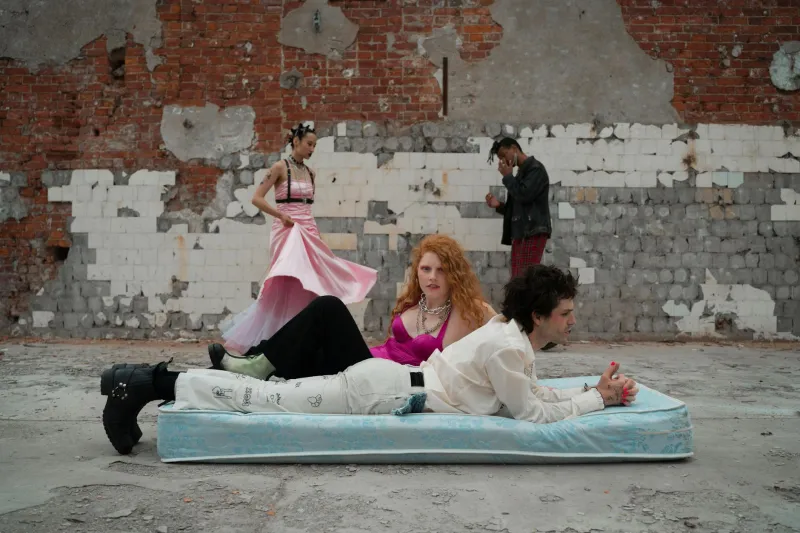
Welcome to Rebellion Incorporated
There's something deeply hilarious about watching a multi-millionaire with a full glam squad pretend they don't care about fame while standing in front of a $2 million music video set. But here's the thing that'll really bake your brain: that "I woke up like this" vibe took a team of 47 people six months to perfect.
Hollywood has cracked the code on manufacturing authenticity, and it's more elaborate than a NASA mission. Every perfectly imperfect indie darling, every tattooed pop star who "just wants to make real music," every actor who "accidentally" became famous — they're all products of the most sophisticated image-crafting machine in human history.
The Rebel Recipe
Step one in creating a convincing outsider? Hire an "authenticity consultant." Yes, that's a real job title, and yes, they charge more per hour than most people make in a month. These specialists study actual counterculture movements like anthropologists, then reverse-engineer the aesthetics for mass consumption.
"We'll spend weeks researching underground scenes in places like Portland or Austin," explains a former image consultant who worked with multiple Grammy nominees. "We document the fashion, the slang, the attitudes, even the way they hold their coffee cups. Then we create a playbook for our client to embody that energy."
The result? Stars who nail the outsider aesthetic so perfectly it feels suspicious. Because it is.
Stylist Surveillance
Those "effortless" looks that scream "I definitely thrift all my clothes"? Each outfit costs more than a luxury car and requires a team of stylists who study vintage fashion with PhD-level intensity.
"We have people whose entire job is to make $3,000 designer pieces look like they came from a garage sale," reveals a stylist who's worked with multiple "indie" artists. "We'll literally sandpaper jeans, tea-stain shirts, and hire people to wear shoes for weeks before photo shoots to get the right level of distressed."
The attention to detail is insane. Teams will research what actual struggling artists wear, down to the specific brands of thrift stores in different cities. They'll create entire fake histories for clothing pieces, complete with imaginary previous owners and manufactured sentimental value.
Media Training for Misfits
Here's where it gets really wild: there are actual classes for learning how to be authentically inauthentic. Media trainers now offer specialized courses in "anti-establishment communication" — teaching clients how to seem like they hate doing interviews while giving perfect soundbites.
"The trick is looking slightly uncomfortable with the attention while still being incredibly quotable," explains a media consultant who's prepped multiple "reluctant" stars. "We practice eye rolls, strategic pauses, and the art of answering questions like you're annoyed by them while actually giving us exactly what we need."
Clients learn how to namecheck the right underground artists, reference obscure books they've never read, and casually mention their "normal" childhood in ways that sound humble but create perfect narrative arcs for magazine profiles.
Paparazzi Theater
Those candid shots of your favorite "I hate fame" celebrity looking perfectly disheveled while grabbing coffee? Staged. All of it. Welcome to the world of "planned paparazzi" — a booming industry where publicists literally hire photographers to capture "authentic" moments.
"We'll set up entire scenarios," admits a publicist who specializes in alternative artists. "Coffee runs where they look relatable, grocery store trips where they're buying normal food, even fake apartment buildings where they pretend to live like regular people."
The photographers know exactly what they're doing, but the resulting images look spontaneous enough to fool everyone else. It's performance art disguised as photojournalism, and it's incredibly effective.
The Backstory Factory
Every convincing rebel needs a convincing origin story, and Hollywood has industrialized the process of creating them. Teams of writers — actual screenwriters — craft compelling narratives about artists' journeys from "nowhere" to stardom.
"We'll take someone who grew up in Beverly Hills and create a whole mythology about them struggling in their friend's garage," explains a brand strategist who's worked with multiple labels. "We'll find one summer they spent at their cousin's house in Ohio and turn that into their 'small-town roots' era."
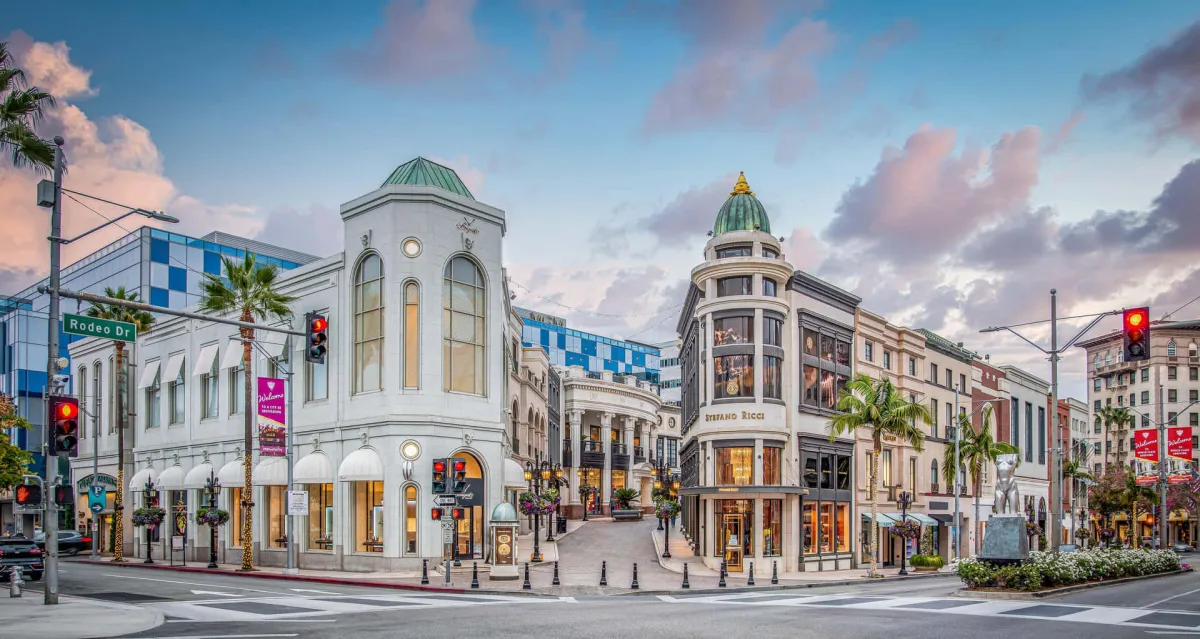 Photo: Beverly Hills, via wallpapers.com
These backstories are crafted with the same attention to detail as movie scripts, complete with character development, plot holes patched up, and carefully placed details that make the whole thing feel lived-in and real.
Social Media Rebellion
Even their "unfiltered" social media presence is highly curated. Teams of social media managers study actual anti-establishment figures to perfect the art of looking like you don't care about your online presence while maintaining a carefully crafted image.
"The goal is to look like you're bad at social media on purpose," explains a digital strategist. "Slightly blurry photos, captions that seem stream-of-consciousness but are actually workshopped by teams, stories that feel spontaneous but are planned days in advance."
They'll even hire people to leave authentic-looking comments criticizing them for "selling out," creating fake controversy that makes their rebellion seem more legitimate.
The Economics of Authenticity
The numbers behind this manufactured rebellion are staggering. A single "authentic" image campaign can cost upwards of $500,000, not including the ongoing maintenance required to keep the illusion alive. But it works — authentic-seeming artists consistently outperform obviously manufactured ones in both sales and cultural impact.
"Audiences are smart, but they want to believe," explains an industry analyst. "If you give them a rebellion that feels real enough, they'll convince themselves it is real. The key is making it just imperfect enough to seem genuine."
When the Mask Slips
Occasionally, the machinery becomes visible. A stylist posts a behind-the-scenes photo they shouldn't have. A media trainer accidentally gets caught on camera coaching their client. A "candid" paparazzi shot reveals professional lighting equipment in the reflection of a car window.
These moments offer brief glimpses into the elaborate theater of manufactured authenticity, but they're usually buried under the next wave of perfectly imperfect content.
The Rebellion Paradox
The most twisted part? Some of these manufactured rebels eventually become the real thing. After years of playing a character, some artists actually develop the anti-establishment attitudes they were hired to fake. It's method acting taken to its logical extreme — fake it till you make it, but for your entire personality.
"I've seen clients who started as complete industry products gradually become genuine outsiders," observes a longtime publicist. "The line between performing rebellion and living it gets blurry when you're doing it 24/7."
So the next time your favorite anti-establishment icon posts a perfectly imperfect selfie while complaining about the music industry, just remember: their rebellion might be more authentic than you think, even if it started as the most inauthentic thing imaginable.
Welcome to Hollywood, where even the fake stuff eventually becomes real — and that might be the most genuine thing about it.