Millions Spent, Zero Watched: The Billion-Dollar TV Burial Ground Nobody Talks About
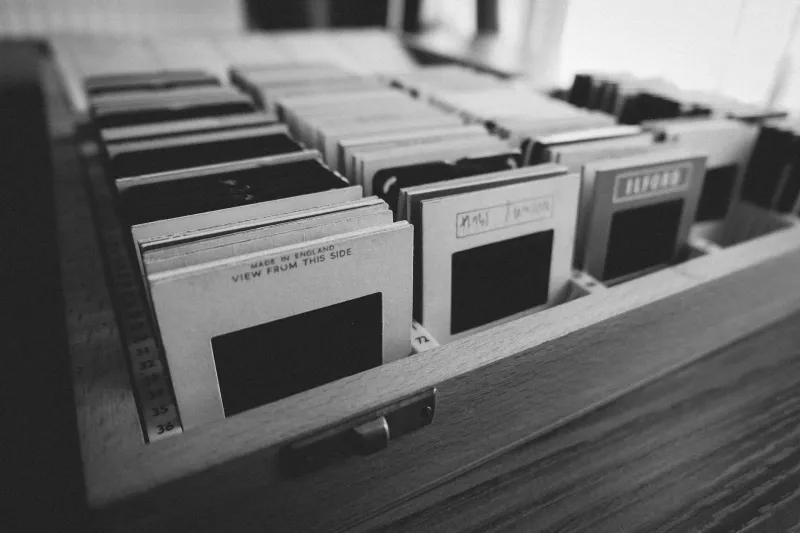
The Most Expensive Trash Can in Entertainment
Imagine spending $50 million to build a house, furnishing it with the finest materials, hiring the best contractors, and then immediately bulldozing it before anyone can move in. That's essentially what happens every pilot season in Hollywood, except instead of houses, it's entire television shows — complete with Oscar winners, elaborate sets, and scripts that took years to develop.
Welcome to television's most expensive secret: the pilot graveyard, where hundreds of millions of dollars worth of finished content goes to die every single year.
The Numbers Game Nobody Wins
Here's a stat that'll make your brain short-circuit: in 2023 alone, major networks and streaming platforms spent an estimated $800 million producing pilots that never saw the light of day. That's not development money or pre-production costs — that's cash spent on actual filmed content featuring actual famous people that actual audiences will never, ever watch.
"I've been in episodes with Emmy winners that cost more to make than some people's entire movie budgets," says a veteran TV actor who's appeared in multiple buried pilots. "The craft services table alone probably cost more than most people make in a year, and the whole thing just... disappears."
Networks order dozens of pilots each season, knowing they'll only pick up a handful for full series. The rest get locked in a vault that makes Fort Knox look like a garage sale.
 Photo: Fort Knox, via upload.wikimedia.org
Star Power in Storage
We're not talking about unknown actors and experimental concepts here. These graveyards are packed with A-listers who thought they were making the next big thing. Oscar winners, Emmy darlings, and box office champions have all starred in shows that exist in a parallel universe where only network executives have the key.
"I once did a pilot with three Academy Award winners," reveals a former network development executive. "The budget was insane, the script was actually good, and the performances were incredible. It tested through the roof with focus groups. We just decided we didn't have room in our schedule."
That show, which cost north of $15 million to produce, sits in a climate-controlled facility somewhere in Los Angeles, gathering dust next to dozens of other perfectly watchable programs.
 Photo: Los Angeles, via cdn.pixabay.com
The Vault Ecosystem
These aren't just random storage units — they're sophisticated archival facilities that cost millions to maintain. Climate-controlled environments, digital preservation systems, and legal departments dedicated entirely to managing content that no human will ever consume.
"We have entire buildings dedicated to storing shows nobody will watch," explains a former studio executive. "The insurance costs alone are staggering. We're literally paying millions of dollars a year to preserve content for an audience that doesn't exist."
Some facilities are so secure and well-maintained that they make actual television studios look shabby by comparison. It's like having a museum for art that's permanently closed to the public.
Why Perfectly Good TV Gets Buried
The reasons shows get shelved range from logical to absolutely insane. Sometimes it's scheduling conflicts — a network already has too many similar shows. Sometimes it's politics — a new executive comes in and wants to kill their predecessor's projects. Sometimes it's just bad timing.
"I've seen brilliant shows get killed because they were too similar to something that aired three years earlier on a different network," says a longtime showrunner. "Or because the star got divorced and the network thought that would be 'distracting.' The reasons are often completely divorced from the quality of the actual show."
One particularly infamous case involved a comedy pilot that tested better than any show in the network's history but got shelved because it was "too funny" and executives worried it would make their other comedies look bad by comparison.
The Streaming Multiplication Effect
If you thought this was bad in the traditional TV era, streaming has turned it into an absolute circus. With platforms desperate for content, pilot season has become a year-round feeding frenzy where everyone's ordering everything and then trying to figure out what to do with it all.
"Netflix ordered 47 pilots from us in one year," reveals a production company executive. "They picked up eight for series. The other 39 just... exist somewhere. Some of them are better than shows that are currently streaming, but they'll never see daylight because of algorithm considerations or global content strategies or whatever the reason of the week is."
Streaming platforms are particularly ruthless about burying content because they don't have the same public accountability as traditional networks. When NBC passes on a pilot, there's usually some trade publication coverage. When a streaming service buries something, it just vanishes into the digital ether.
The Economics of Waste
The financial logic is simultaneously brilliant and insane. Networks and platforms would rather spend $50 million on ten pilots and pick up two great shows than spend $10 million developing one show that might be mediocre.
"It's cheaper to shoot and bury eight pilots than to risk launching one show that fails publicly," explains an industry analyst. "The cost of a public failure — in terms of brand damage and executive careers — is way higher than the cost of private waste."
This creates a system where failure is literally invisible. Shows don't get canceled — they just never existed in the first place.
Who Actually Profits
Here's the twist: while actors and creators often get screwed when their pilots disappear, plenty of people make bank from this system. Production companies get their fees whether the show airs or not. Studios can write off the losses for tax purposes. Equipment rental houses and crew members get paid regardless.
"The pilot system is basically a jobs program for Hollywood," observes a former agent. "Hundreds of people make good money creating content that nobody will watch. It's like government spending, but with better catering."
Some actors have built entire careers hopping from buried pilot to buried pilot, making excellent money while remaining completely unknown to the general public.
The Vault Viewers
There's actually a small group of people whose job it is to watch these buried shows: archivists, legal reviewers, and the occasional executive doing "competitive research." They're like the world's most exclusive TV critics, reviewing shows for an audience of zero.
"I've probably seen more television than anyone alive," says a studio archivist. "And 90% of it will never be seen by another human being. It's like being the world's loneliest TV critic."
The Resurrection Rumors
Occasionally, there are whispers about buried pilots surfacing years later. A star becomes huge and suddenly their old pilot gets a second look. A concept that was "ahead of its time" becomes relevant again. But these resurrections are rarer than unicorns and usually involve significant reworking.
"I've been told my pilot might get another shot for about seven years now," says an actor whose show has been buried since 2016. "At this point, I think it's more likely to be discovered by archaeologists than network executives."
The Ultimate Entertainment Paradox
The pilot graveyard represents everything absurd about modern entertainment: an industry so flush with cash that it can afford to throw away hundreds of millions of dollars annually, yet so risk-averse that it would rather bury good content than risk public failure.
Somewhere in Los Angeles, there's a vault containing enough quality television to program a network for years, featuring stars you love in shows you'll never see. It's the entertainment industry's greatest magic trick: making enormous amounts of content completely disappear.
And the most twisted part? They're already filming next year's batch of shows to bury. The waste is so systematic, it's basically become its own industry within the industry.
So the next time you're scrolling through streaming platforms complaining there's nothing good to watch, just remember: there's probably something perfect for you sitting in a vault somewhere, gathering dust next to a fortune in wasted dreams.