Generation Cringe: How Gen Z Turned Millennial Embarrassment Into a Ticketed Experience
Welcome to the Cringe Economy
Last month, a sold-out crowd of 500 people paid $35 each to watch a 22-year-old dramatically read aloud from a collection of 2009 Tumblr posts while a live band provided musical accompaniment. The event, called "Superwholock: A Multimedia Experience," sold out in six minutes. The kicker? Half the audience was composed of the same Millennials who originally wrote those posts.
Welcome to 2024, where nostalgia has taken a hard left turn into weaponized embarrassment, and Gen Z has figured out how to charge admission for the privilege of reliving your most cringeworthy cultural moments.
The Museum of Millennial Mistakes
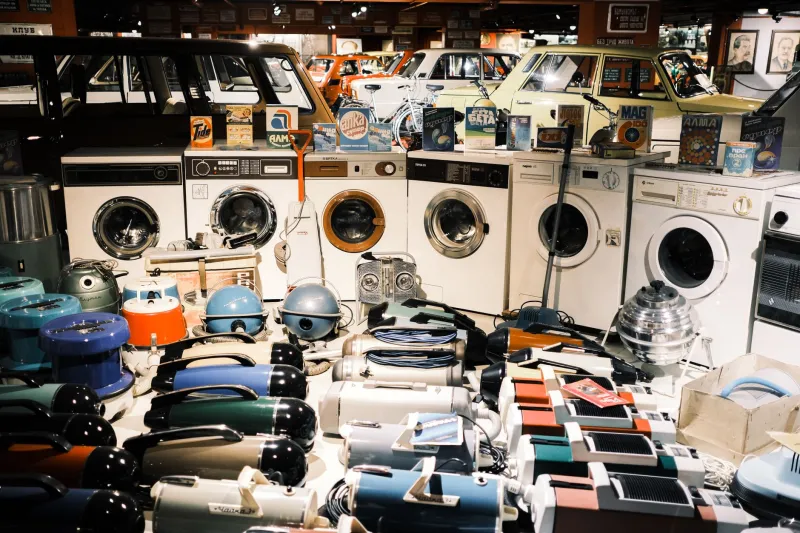
In Brooklyn, the "Y2K to Yesterday: A Millennial Retrospective" exhibition has been extended twice due to popular demand. The museum features interactive displays including a recreation of a 2010 bedroom complete with chevron patterns, a "Live, Laugh, Love" wall, and a station where visitors can practice the perfect duck face selfie angle.
The crown jewel? A glass case containing authentic artifacts from peak Millennial culture: a bedazzled iPhone 4 case, a collection of rubber "awareness" bracelets, and an actual pair of skinny jeans so tight they require a medical waiver to try on.
"We wanted to create a space where people could confront their past selves in a safe, controlled environment," explains curator Zoe Martinez, 24. "It's like therapy, but with better lighting and a gift shop."
The gift shop, by the way, is doing numbers. Reproductions of "Keep Calm and Carry On" posters are flying off the shelves at $25 a pop, sold with an irony so thick you could cut it with a vintage mustache comb.
TikTok's Cringe Archaeology Project
The phenomenon started, as most cultural movements do these days, on TikTok. Gen Z creators began mining Millennial internet history like digital archaeologists, unearthing forgotten memes, fashion trends, and social media posts with the dedication of scholars studying ancient civilizations.
But unlike traditional nostalgia, which tends to romanticize the past, Gen Z's approach is more like friendly roasting. They're not celebrating these cultural moments so much as examining them under a microscope and asking, "What were y'all thinking?"
The answer, of course, is that Millennials were young and the internet was new and nobody knew that everything would live forever in screenshots. But Gen Z, who grew up with digital permanence as a given, finds the innocence both charming and horrifying.
The Live Experience Economy
What started as TikTok content has exploded into a full live entertainment vertical. Cities across the country now host regular "Millennial Cringe Nights" featuring live readings of old Facebook statuses, reenactments of viral videos from 2007, and costume contests celebrating the worst fashion trends of the 2010s.
In Los Angeles, comedian Maya Patel hosts a monthly show called "Timeline Trauma" where audience members submit their own embarrassing social media history for public reading and gentle roasting. Tickets cost $40 and the show regularly sells out the 200-seat venue.
"There's something cathartic about having your cringiest moments read back to you by someone who thinks they're hilarious rather than devastating," explains audience member Jessica Chen, 32. "It's like exposure therapy for your digital past."
The shows have developed their own rituals and traditions. Audiences participate with call-and-response elements (shouting "EPIC FAIL!" at appropriate moments), and many venues sell themed cocktails with names like "The Mustache Ride" and "Chevron Chic."
The Unexpected Collaboration
The most surprising aspect of the cringe economy is how enthusiastically Millennials have embraced their role as willing participants in their own roasting. Rather than feeling defensive about their past cultural moments, many seem relieved to finally laugh about them.
"I spent years trying to pretend I never owned anything with an owl on it," admits Sarah Martinez, 29, at a "Millennial Memory Lane" event in Chicago. "But seeing kids today discover these trends for the first time made me realize how absurd it all was. Now I can laugh about it instead of dying inside."
Some Millennials have even become collaborators in the cringe economy, serving as "cultural consultants" for Gen Z creators or hosting their own nostalgia events. The generational divide has become less about conflict and more about creative partnership in the service of collective cultural therapy.
The Business of Embarrassment
The numbers behind the cringe economy are surprisingly robust. Event organizers report that nostalgia-themed shows have some of the highest ticket sales and lowest cancellation rates in live entertainment. Millennials, it turns out, are eager to pay for the experience of confronting their past selves in a supportive group setting.
Merchandise sales are equally strong. Reproduction items from peak Millennial culture — infinity scarves, "I Can Has Cheezburger" t-shirts, and decorative mason jars — are selling as both genuine nostalgia purchases and ironic statement pieces.
"We're essentially selling people their own childhoods back to them, but with the wisdom of hindsight and a healthy dose of self-awareness," explains event producer Marcus Thompson, who organizes cringe-themed events across the Midwest. "It's nostalgia with a built-in laugh track."
The Psychology of Collective Cringe
Cultural psychologists are fascinated by the phenomenon, noting that it represents a new form of generational processing. Rather than the traditional pattern of rejecting previous generations' cultural markers, Gen Z has chosen to engage with Millennial culture through humor and gentle mockery.
"It's actually quite healthy," explains Dr. Amanda Rodriguez, who studies digital culture at UCLA. "Both generations are getting something out of this exchange. Gen Z gets to feel culturally superior while learning about recent history, and Millennials get to process their cultural baggage in a supportive environment."
The cringe economy also serves as a form of cultural education, helping Gen Z understand the context behind Millennial behavior and helping Millennials see their own experiences through fresh eyes.
What's Next for Nostalgia Weaponization
As the cringe economy continues to expand, organizers are already looking ahead to future targets. Early Gen Z cultural moments — the rise of TikTok dances, VSCO girl aesthetics, and "OK boomer" memes — are starting to feel ripe for nostalgic examination.
"Give it five years and Gen Alpha will be hosting sold-out events making fun of Gen Z's obsession with skincare routines and cottage core," predicts Martinez. "The cycle continues, and honestly, I'm here for it."
The most remarkable aspect of the entire phenomenon might be how quickly it's normalized the idea that cultural embarrassment can be a shared, profitable experience rather than a source of individual shame. In a world where everyone's digital history is permanent, maybe learning to laugh at our past selves together isn't just entertainment — it's survival.