Heartbreak Is a Feature, Not a Bug: How Social Platforms Cash In Every Time Your Fave Goes Single
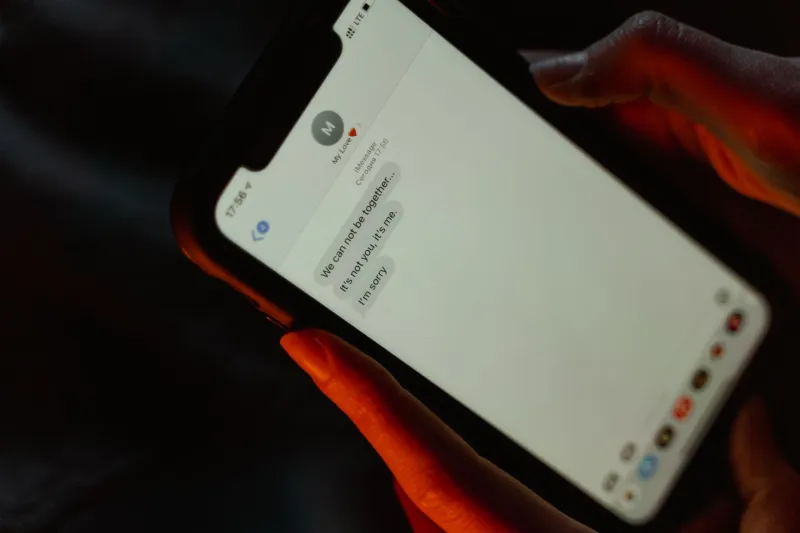
Something funny happens the moment a celebrity posts a cryptic, quote-unquote 'personal' message that roughly translates to we broke up and I'm devastated but also my team approved this caption. Within hours, their engagement numbers don't just tick up — they detonate. Comments flood in. Shares multiply. The algorithm, that mysterious and supposedly neutral curator of your digital life, suddenly decides this person deserves to be on every screen in America.
Coincidence? Sure. And we've got a bridge in Brooklyn to sell you.
The Spike That's Too Perfect to Be Accidental
Data analysts who track celebrity social performance — yes, that's a real job, yes, it pays well, no, you cannot have it — have repeatedly documented what insiders now casually call the "split surge." It works like this: in the 48 to 72 hours following a publicized celebrity breakup, the primary parties involved see engagement rates climb anywhere from 40 to 300 percent above their rolling average. Views, saves, shares, follows — all of it goes vertical.
The platforms, for their part, say absolutely nothing useful about this. Meta's public communications team has the practiced art of saying a lot of words that mean nothing down to a science. TikTok, when pressed by journalists about whether romantic relationship content gets preferential algorithmic treatment, tends to respond with statements about "community connection" and "authentic storytelling." YouTube's algorithm documentation, famously labyrinthine, makes no specific mention of relationship status as a ranking signal — officially.
Officially.
What the Brands Already Know
Here's where it gets genuinely wild. While platforms play coy about their own systems, the advertising industry has already reverse-engineered the whole thing and is acting accordingly.
There's an entire niche within influencer marketing — populated by media buyers, brand strategists, and the kind of people who wear expensive sneakers to 9 a.m. meetings — that specifically times campaign launches to coincide with a creator's relationship transition. Not just breakups, either. Engagements. Divorces. The ambiguous "we're taking space" post that everyone knows means it's over but nobody's saying it yet.
The logic is brutally simple: a person in emotional flux is a person who is posting constantly, and a person posting constantly is a person whose audience is watching obsessively. That's premium ad real estate. Brands that sell everything from skincare to streaming subscriptions have quietly built "emotional event" triggers into their influencer contracts — language that essentially says, if your personal life blows up, we want in on the content cycle.
One marketing consultant, speaking anonymously because apparently this is the kind of thing people don't want their names on, described it as "parasocial arbitrage." You, the viewer, are emotionally invested in a stranger's love life. That investment translates directly into attention. Attention translates into ad impressions. Ad impressions translate into dollars. Nobody in this chain is particularly concerned about the stranger whose love life is being monetized.
The Platform Architecture Nobody Wants to Explain
So how does the algorithm actually know? The cynical answer — and honestly the most plausible one — is that it doesn't need to "know" anything. It just responds to engagement signals, and breakup content generates engagement signals at a rate that makes the system light up like a pinball machine.
But there's a more nuanced layer here that researchers studying platform behavior have been poking at. Social media platforms have extraordinary visibility into the content of posts, the sentiment of comments, and the behavioral patterns of users. When a post generates a specific type of engagement — high comment-to-like ratios, long comment threads with emotional language, rapid resharing — the algorithm interprets that as "sticky" content and distributes it more aggressively.
Breakup content hits every single one of those markers. The comments aren't just "lol" — they're paragraphs. People are tagging friends. People are writing manifestos. The algorithm sees all of that friction and decides, correctly from a pure engagement standpoint, that this content deserves a wider audience.
The result is a feedback loop that nobody designed with malicious intent but that everyone is now profiting from. The platform gets watch time and ad revenue. The brand gets impressions. The publicist gets a client whose profile just expanded. The celebrity gets followers. And you get... the emotional experience of processing someone else's heartbreak for free.
The Scheduled Sadness Supply Chain
What makes this particularly layered is that the most sophisticated players in the game aren't just reacting to the algorithm — they're feeding it deliberately.
There's a well-documented but rarely discussed practice among mid-to-large celebrity teams of timing breakup announcements for maximum platform impact. Thursday evenings and Sunday afternoons are perennial favorites, based on historical engagement data. The announcement itself is carefully worded to be emotional without being litigious, vague without being dismissible, and personal without revealing anything a publicist hasn't pre-approved.
The follow-up content cadence is planned before the announcement even drops. A reflective mirror selfie here. An ambiguous playlist update there. A Story that's technically just a sunset but feels like a message. Every piece of content is timed to sustain the engagement wave rather than let it crash.
Brands are briefed in advance — at least the ones with the right relationships. They have content ready to slot into the creator's feed at the optimal moment, products that "just happen" to align with themes of self-care, independence, or reinvention.
What Nobody's Saying Out Loud
The most uncomfortable part of this entire ecosystem isn't that it exists. It's that it's so normalized that the people inside it have stopped finding it weird.
Influencers discuss their breakup content strategies with the same detached professionalism that a CFO discusses quarterly projections. Brand managers talk about "emotional event calendars" without blinking. Platform representatives use words like "organic" and "authentic" to describe systems that have been optimized within an inch of their lives.
Meanwhile, the audience — that's you, scrolling at midnight, genuinely worried about whether some celebrity you've never met is okay — remains the only party in this arrangement who isn't getting paid.
Your heartbreak on behalf of strangers is, functionally, a product. The platforms built the factory. The brands stocked the shelves. And every time you hit that comment section to leave a supportive message, you're clocking in for a shift you didn't know you signed up for.
Swipe thoughtfully out there.