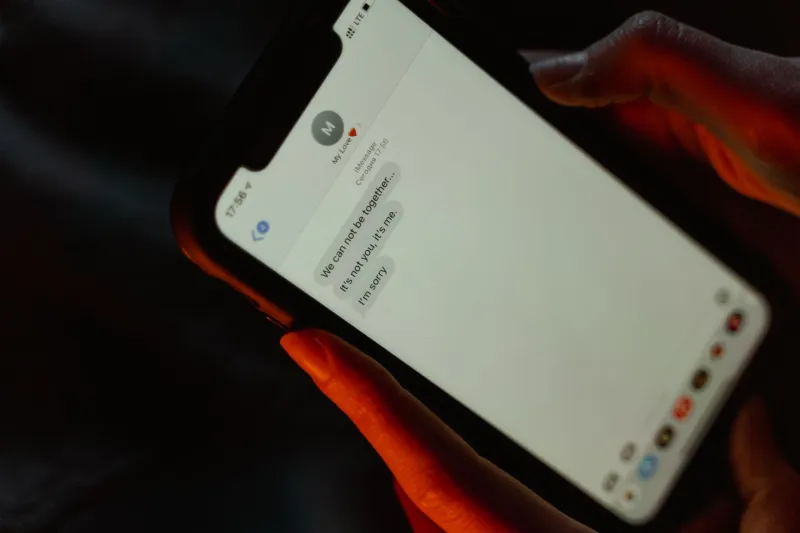
Sorry, Not Sorry (But Extremely Profitable): The Industrial Complex Turning Celebrity Mea Culpas Into Money Machines

At some point between the dawn of Twitter and whatever fresh hell the current media landscape is, the celebrity apology stopped being an ending and became a beginning. A very lucrative beginning. Today, a properly executed public mea culpa doesn't close the book on a scandal — it opens a new revenue chapter, complete with a crisis PR team, a brand rehabilitation arc, a streaming documentary, and a merch line that somehow ties it all together.
The apology economy is real, it's enormous, and it's been hiding in plain sight behind every tearful Instagram video and carefully lit "accountability" interview you've ever watched.
The Price Tag on Saying Sorry
Let's start with the numbers, because they're genuinely staggering.
Top-tier crisis communications firms — the ones with discreet websites, unlisted phone numbers, and client lists they'll take to their graves — charge anywhere from $25,000 to $150,000 per month for full celebrity reputation management. That's the retainer. Crisis-specific engagements, the kind triggered by a scandal that needs immediate containment and a public apology strategy, can run $200,000 to $500,000 as a flat project fee.
For that price, you get a full-service operation. Messaging architects who craft the apology language. Media trainers who rehearse the delivery until it hits the precise emotional register of "genuine remorse" without straying into "legally actionable admission." Timing strategists who determine whether the apology drops on a Tuesday afternoon news cycle or gets held for a Sunday morning talk show exclusive. Digital teams who monitor the fallout in real time and adjust the narrative accordingly.
This is not a small industry. Estimates from PR industry observers put the celebrity crisis management market at somewhere north of $4 billion annually in the US alone. And that's before you count the downstream ecosystem that the apology itself generates.
The Redemption Arc Is a Product
Here's the part that should genuinely blow your mind: the apology isn't the end of the money trail. It's the beginning.
Once a celebrity has issued their public sorry — properly timed, expertly delivered, strategically amplified — the redemption arc begins. And the redemption arc, in 2024, is one of the most bankable narratives in entertainment.
Streaming platforms are obsessed with reformed celebrities. The documentary-to-apology pipeline is so well-established that it barely even registers as notable anymore. A celebrity faces public backlash, goes quiet for a calculated period, re-emerges with a streaming deal that promises "the real story," and suddenly they're not a person who did something bad — they're a subject. A complex, layered human being whose journey toward accountability is, conveniently, available for $15.99 a month.
Netflix, Hulu, Amazon, and every platform with a content budget has greenlit at least one of these. The format is so predictable it's practically a genre. There's the childhood context segment. The tearful admission. The expert talking heads providing psychological framework. The final-act moment of apparent growth. Roll credits, collect Emmy consideration.
Sources inside the documentary space — people who've worked on these productions and are willing to talk off the record — describe a process that's far less organic than it appears. "The narrative is agreed upon before a single camera rolls," one producer told us. "The 'journey' is reverse-engineered from the conclusion the team wants the audience to reach."
Brands Love a Good Sinner
If you think brands run away from celebrities with scandal baggage, you haven't been paying attention to the last decade of marketing strategy.
The truth is more complicated and, frankly, more cynical. There's a specific category of brand partnership that only becomes available post-apology. The "reformed" celebrity is, in many ways, a more attractive commercial partner than a clean-record one, because they come with a built-in story. Audiences are already emotionally invested. The narrative arc from transgression to redemption is inherently compelling. And a brand that attaches itself to that arc gets to position itself as part of the recovery story.
Wellness brands are particularly aggressive in this space. The logic writes itself: person does bad thing, person goes on personal journey, person emerges with new perspective on self-care and mental health, person partners with supplement company or meditation app. It's almost too clean.
Agency insiders who broker these deals describe a category they internally call "phoenix partnerships" — brands that specifically seek out celebrities in the post-apology window, when the cultural conversation has shifted from condemnation to cautious re-embrace. The timing has to be precise. Too early and the brand absorbs the scandal's negative heat. Too late and the celebrity's cultural moment has passed. But in that sweet spot — usually six to eighteen months post-apology — the commercial opportunity is, by multiple accounts, exceptional.
The Apology Audience Is the Product
None of this machinery would exist without the audience, and the audience has proven to be remarkably reliable.
Research on parasocial relationships — the psychological phenomenon of feeling genuine emotional connection to people you've never met — suggests that audiences are actually primed to forgive celebrities they feel connected to. The apology, when executed correctly, doesn't just neutralize negative sentiment. It deepens the parasocial bond. Watching someone you've followed for years appear vulnerable and remorseful creates a sense of intimacy that's algorithmically and commercially valuable.
This is why so many celebrity apologies are structured less like genuine accountability and more like emotional content. The setting is intimate (bedroom, backyard, kitchen — somewhere that signals "real life"). The lighting is imperfect but not actually bad. The language is personal but carefully avoids anything a lawyer would flag. The goal is not to inform you of what happened. The goal is to make you feel something — specifically, the kind of warm, forgiving feeling that translates into continued engagement, streaming views, and ultimately, purchases.
Who Doesn't Get Paid
In the interest of stating the obvious: the people who were actually harmed by whatever the celebrity is apologizing for are, in most cases, not participants in the apology economy. They don't get a cut of the documentary deal. They're not consulted on the brand partnerships. Their actual experiences are, at best, briefly referenced in the apology itself as context for the celebrity's personal growth journey.
This isn't a cynical observation — it's just the architecture of how these things work. The apology economy is designed to rehabilitate the apologizer, not to address the impact on the apologized-to. The latter is, at most, a narrative device in someone else's redemption story.
And somewhere, in a very nice office with very expensive coffee, a crisis PR consultant is already working on the next one.
The sorry business is booming. Invest accordingly.