The Shadow Payroll: How Hollywood's Body Doubles and Ghost Voices Are Finally Getting Their Flowers (and Royalties)
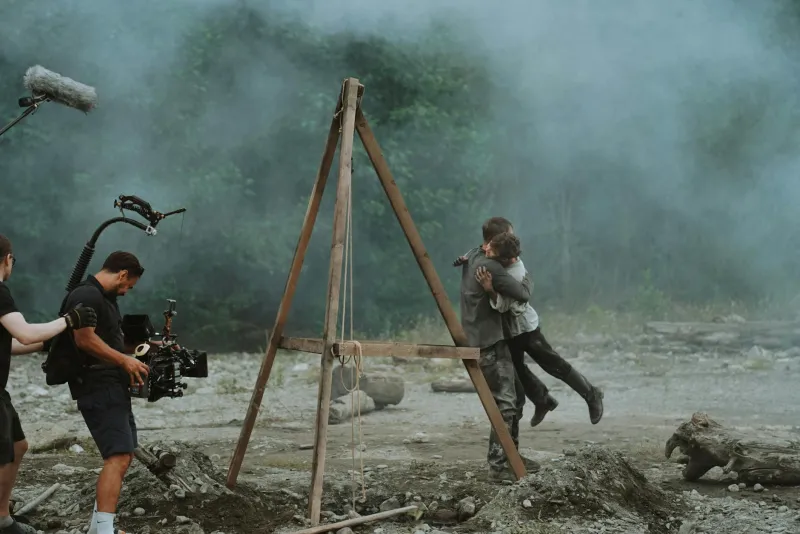
The Invisible Army Gets Visible
You know that jaw-dropping motorcycle chase scene where Chris Pratt looked like an absolute unit? Yeah, that wasn't Chris Pratt. That was probably Jake Morrison, a 31-year-old from Montana who's been eating asphalt for Marvel movies since 2016 and just bought his first house thanks to his newfound TikTok fame breaking down exactly how he made Star-Lord look cool.
Welcome to the shadow economy's glow-up era, where the people who've been making your favorite celebrities look like gods are finally getting their own spotlights — and paychecks to match.
When NDAs Meet OnlyFans
The revolution started quietly. Body doubles who spent years perfecting someone else's abs began posting their own thirst traps. Vocal coaches who taught pop stars how to hit high notes started releasing their own covers that routinely outperformed the originals. Hand models who made action heroes look like they could actually throw a punch began selling personalized videos for $50 a pop.
Suddenly, the people Hollywood paid to be invisible realized they could make bank being seen.
Take Sarah Chen, who spent five years as Scarlett Johansson's stunt double before launching her own action choreography YouTube channel. "I was getting paid scale to risk my life so Scarlett could look badass," Chen explains. "Now I'm making six figures teaching people how to look badass themselves. The math is pretty simple."
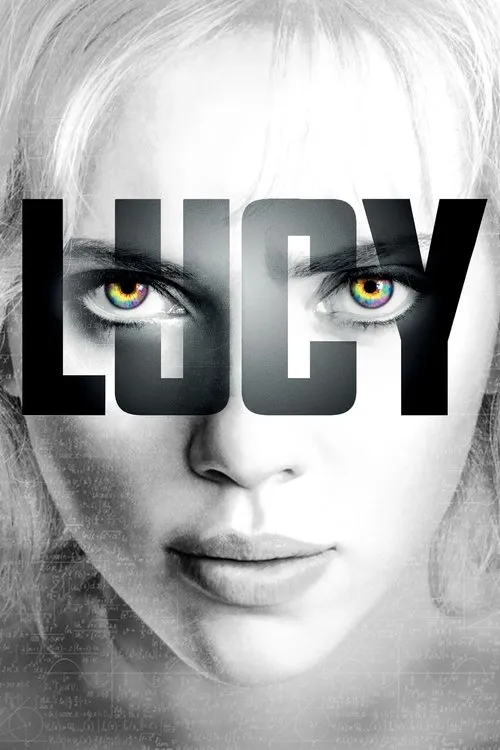 Photo: Scarlett Johansson, via image.tmdb.org
The Ghost Singer Uprising
But nowhere is this shift more dramatic than in music. The singers who've been secretly laying down vocals for chart-toppers are stepping out of the shadows with receipts, voice memos, and absolutely zero chill.
Remember that Grammy-nominated ballad that made you cry in your car for three months straight? There's a 60% chance it was actually sung by someone whose name you've never heard, living in a Nashville apartment with four roommates, who just got tired of watching someone else collect awards for their lungs.
The industry's worst-kept secret is becoming its loudest controversy, with ghost vocalists organizing through private Discord servers and threatening to release the original stems that prove who really hit those impossible notes.
Digital Doubles Cash In
Then there's the CGI crowd — the motion capture performers and digital artists who've been building virtual celebrities from scratch. These are the people who taught your favorite Marvel character how to move, who created the facial expressions that launched a thousand memes, who spent months perfecting the way a digital dragon breathes fire.
They're done being credited as "Additional Motion Capture" in 8-point font.
"I am literally Groot," jokes Marcus Williams, who provided the motion capture for the beloved tree character across six Marvel films. "But try explaining that at a bar." Williams recently launched a masterclass series teaching aspiring performers how to "become" CGI characters, charging $200 per session and booking months in advance.
The Authenticity Paradox
Here's where it gets weird: audiences are actually more interested in the real people behind the magic than the polished final product. Chen's behind-the-scenes stunt videos get more engagement than most action movie trailers. Williams' motion capture breakdowns are going viral on TikTok faster than the actual Marvel content.
It turns out that in our deepfake, AI-everything world, people are desperately craving authenticity — even if that authenticity is about how fake everything really is.
The New Power Dynamic
Studios are scrambling to adapt. Some are preemptively offering social media clauses and profit-sharing agreements to prevent their shadow workforce from going rogue. Others are leaning into it, featuring stunt performers in behind-the-scenes content and giving vocal coaches producer credits.
But the cat's out of the bag. The people who made Hollywood magic are realizing they don't need Hollywood to make their own magic — and sometimes, their magic is more interesting than whatever they were originally hired to create.
The Ripple Effect
This isn't just about individual performers getting their due (though good for them). It's about a fundamental shift in how we think about celebrity, authenticity, and who deserves credit in our hyper-manufactured entertainment landscape.
When the people behind the curtain start getting louder applause than the ones in front of it, the whole show changes. And honestly? The show just got a lot more interesting.