Humble Flex: Why A-Listers Are Ditching Blockbusters for Gas Station Clerk Roles (And Winning)

The Reverse Flex Revolution
Adam Driver just spent three months in Ohio playing a gas station attendant in a $2 million indie film that exactly twelve people will see in theaters. Oscar Isaac recently voiced a sentient houseplant in an experimental animated short that premiered at a film festival you've never heard of. Margot Robbie turned down a Marvel sequel to play a small-town librarian in a black-and-white drama shot entirely on weekends.
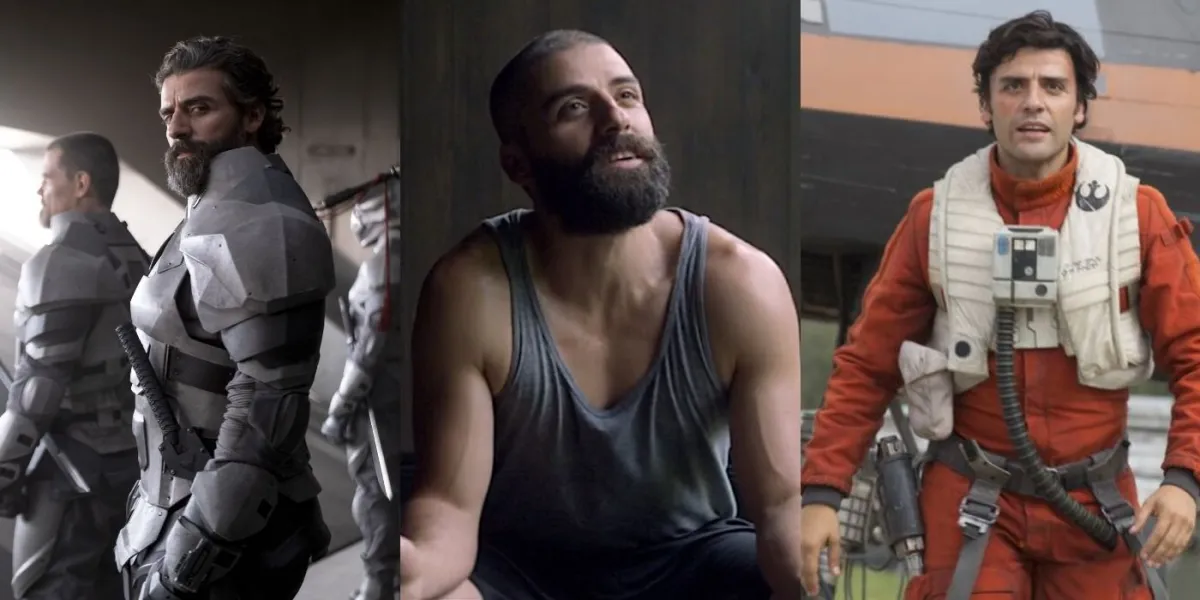 Photo: Oscar Isaac, via static1.srcdn.com
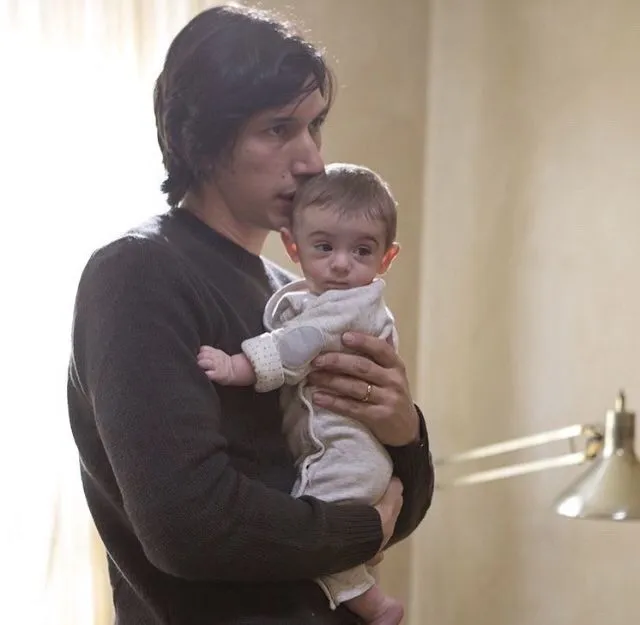 Photo: Adam Driver, via i.pinimg.com
And somehow, this is the power move that's making them more famous than ever.
Welcome to Hollywood's humble flex era, where doing less, weirder, and cheaper work has become the ultimate status symbol.
The Anti-Blockbuster Strategy
Let's be real: when you're already worth $50 million, another superhero paycheck isn't going to change your life. But playing against type in a tiny passion project that premieres at Sundance? That's the kind of artistic credibility money can't buy.
"I wanted to remember why I became an actor," explains a recent interview with an A-lister who shall remain nameless (because honestly, they all say some version of this now). "Playing the same character in four different movies was making me forget what creativity felt like."
Translation: "I'm so successful that I can afford to be unsuccessful, which is actually the most successful move of all."
The Authenticity Arms Race
Here's what's happening: in an entertainment landscape oversaturated with CGI spectacles and franchise content, authenticity has become the rarest commodity. And nothing says authentic like voluntarily taking a 95% pay cut to work with a director whose previous film was funded through Kickstarter.
The math is counterintuitive but brilliant. While other A-listers are getting lost in the Marvel machine, these strategic humble-flexers are generating more cultural buzz with their weird little projects than most blockbusters manage with $200 million marketing budgets.
Algorithm Gold
Social media absolutely loves this stuff. "Adam Driver as gas station clerk" generates more organic engagement than "Adam Driver in Star Wars Episode Whatever." TikTok is obsessed with the "A-list actor doing normal job" content genre. Instagram Stories of Oscar Isaac recording voiceover for an indie animation in his home studio get shared more than red carpet photos.
The internet has decided that famous people doing un-famous things is the peak of entertainment.
The Indie Cred Calculation
But this isn't just about artistic fulfillment and social media buzz. There's a very calculated career strategy at play here. Working with emerging directors on passion projects creates relationships that pay off when those directors eventually get studio backing. Taking small roles in festival darlings positions actors as "serious artists" when awards season rolls around.
Plus, indie films have a weird way of becoming cult classics that live forever in the cultural conversation. Twenty years from now, people will still be talking about that weird little movie where [insert A-lister] played a depressed convenience store worker, while they'll have completely forgotten which superhero movie came out in 2024.
The Prestige Paradox
The entertainment industry has always been obsessed with prestige, but the definition keeps shifting. Used to be that working with Scorsese or Spielberg was the ultimate validation. Then it was landing a Marvel role. Now? The coolest thing you can do is work with a 25-year-old director who's never made a feature film before.
It's reverse snobbery disguised as artistic integrity, and it's working.
The Economic Reality
Of course, this strategy only works if you're already rich enough to turn down massive paychecks. It's the ultimate privilege flex: "I'm so financially secure that I can afford to make art instead of money."
But that privilege is precisely what makes it so effective. In a world where everything feels manufactured and focus-grouped, the sight of an A-lister choosing artistic risk over guaranteed profit feels genuinely rebellious.
The Ripple Effect
This trend is changing how studios think about star power. They're starting to realize that an actor's weird little side project might generate more cultural capital than their tentpole release. Some studios are even funding "passion projects" as loss leaders, knowing that the artistic credibility will pay dividends for their big-budget films.
Meanwhile, indie filmmakers are suddenly getting meetings they never could have imagined. A-list actors are actively seeking out strange, small projects instead of waiting for their agents to filter opportunities.
The Authenticity Theater
Here's the slightly cynical take: this whole humble flex movement might just be another form of performance. Choosing to play a gas station attendant when you could play a superhero is still a choice made from a position of incredible privilege. The "authenticity" is carefully curated and strategically deployed.
But maybe that doesn't matter. If the end result is more interesting films, more opportunities for emerging filmmakers, and more varied performances from our biggest stars, does it matter if the motivation is partly calculated?
The New Status Symbol
In Hollywood's current moment, the ultimate flex isn't having the biggest trailer or the highest paycheck. It's being able to disappear into a tiny role in an experimental film that premieres at a regional film festival and somehow making that feel more important than saving the universe.
It's strategic humility as performance art, and the audience is absolutely eating it up.
What Comes Next
This trend can't last forever. Eventually, the novelty of A-listers playing janitors will wear off, and some new form of artistic credibility will emerge. But for now, the humble flex is Hollywood's hottest currency.
And honestly? It's making movies more interesting. When the biggest stars in the world are willing to take risks on weird little projects, everyone wins. Except maybe the superhero franchises that are suddenly competing with gas station dramas for cultural relevance.
But that's a problem for another day.