Waterworks by Design: The Concert Masterminds Making Your Mascara Run on Purpose
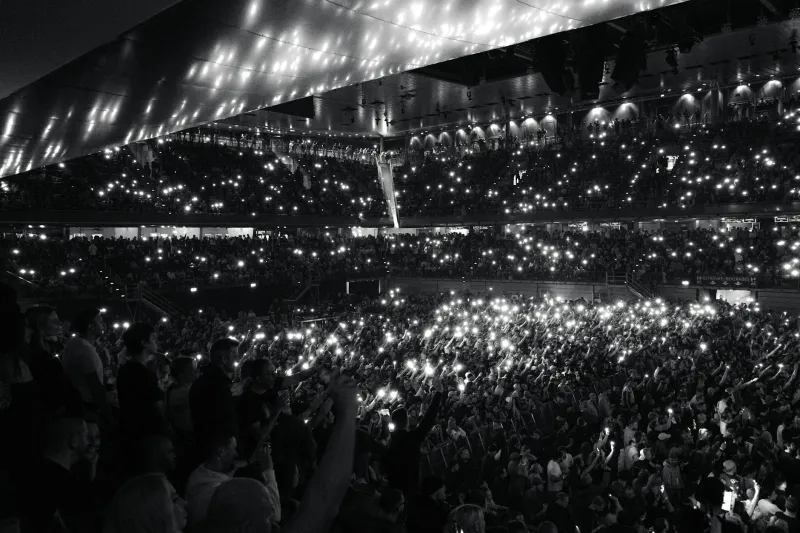
The Tears Don't Lie (But They're Definitely Scheduled)
Remember when concerts were just about the music? Those days are deader than your phone battery after filming three hours of Instagram Stories. Today's biggest artists aren't just performing — they're conducting full-scale emotional warfare, complete with PhD-level psychology and lighting that could make a tax audit feel romantic.
Meet the new power players behind your favorite artist's tour: emotional architects. These aren't your typical music directors. They're part data scientist, part therapist, part evil genius, and they're getting paid six figures to make you ugly cry in public.
The Science of Strategic Sobbing
It starts with the setlist, but not the way you think. Gone are the days of artists just vibing their way through song order. Now, every transition is calculated using something called "emotional mapping" — a process that tracks audience energy levels like a heart monitor during a horror movie.
"We study facial recognition data from previous shows," explains a former tour consultant who spoke on condition of anonymity (because apparently making people cry for profit requires NDAs). "We know exactly which songs trigger tears, at what point in the show people are most vulnerable, and how to sequence everything for maximum emotional impact."
The formula is surprisingly scientific. Open with high energy to get everyone invested. Build to an emotional peak around song seven or eight. Drop the hammer with a stripped-down acoustic version of their biggest hit around song twelve. Watch the internet explode with sobbing fan videos.
Lighting the Fuse
But the real magic happens in the technical booth. Lighting designers are now working with color psychologists to create what insiders call "cry cues" — specific lighting sequences scientifically proven to trigger emotional responses.
That soft amber wash during the ballad? Calculated. The sudden spotlight isolation during the bridge? Engineered. The slow fade to single pin light that makes your favorite artist look like they're floating in space while singing about their dead grandmother? Pure emotional manipulation, and it works every single time.
"We have lighting rigs that cost more than most people's houses, and half the budget goes toward making people feel feelings," says a production manager who's worked with multiple Grammy winners. "There's literally a button labeled 'waterworks' on some of our control boards."
The Throwback Trap
The cruelest weapon in the emotional architect's arsenal? Strategic nostalgia deployment. These teams study fan demographics with the intensity of political campaign managers, identifying which songs will hit different age groups right in the childhood.
That surprise acoustic cover of a Disney song? They knew exactly how old you were when that movie came out. The unexpected duet with a local high school choir? Calculated to trigger every parent in the venue. The moment when they dedicate a song "to anyone who's ever felt lost" while staring directly into the camera? That's not spontaneity — that's a master class in emotional targeting.
Content Creation Gold Mine
Here's where it gets really wild: the tears aren't just the point — they're the product. Every sobbing fan video becomes free marketing content, and these emotional architects know it.
"We actually have people whose job it is to monitor social media during shows and identify which moments are getting the most engagement," reveals an industry insider. "If something isn't trending, we adjust the next show accordingly."
The goal isn't just to make you cry — it's to make you cry at the exact right moment so your friend will film it, post it, and create a viral moment that sells more tickets to the next city.
The Algorithm of Anguish
Some artists are taking this even further, using streaming data to customize emotional attacks for different cities. That deep cut that only has 50,000 plays but hits different in your hometown? They know their audience there loves it, and they're saving it for maximum impact.
"We can literally see which songs make people in different markets cry based on their streaming behavior," explains a data analyst who works with major touring acts. "Chicago fans lose it over track six from the second album. Los Angeles crowds are suckers for the unreleased song from 2019. We customize the emotional journey for each city."
 Photo: Los Angeles, via c8.alamy.com
The Ethics of Engineered Emotion
Critics argue this level of emotional manipulation crosses a line, turning genuine artistic expression into calculated audience exploitation. But defenders point out that creating emotional experiences has always been the point of live music — they're just better at it now.
"At the end of the day, people leave these shows feeling like they've been through something profound," argues a tour manager who's worked with multiple platinum artists. "If we can guarantee that experience instead of leaving it to chance, isn't that better for everyone?"
The Future of Feelings
What's next? Some touring companies are experimenting with biometric feedback — literal heart rate monitors and skin conductance sensors to track audience emotional states in real time. Others are exploring scent deployment (yes, pumping specific smells into venues at calculated moments) and even subliminal audio frequencies designed to trigger emotional responses.
The concert industry has figured out how to monetize your feelings, package your tears, and turn your emotional breakdown into their breakthrough moment. And honestly? Based on the ticket sales, we're all here for it.
Just don't pretend that waterproof mascara will save you. These people are professionals, and they're coming for your feelings whether you're ready or not.