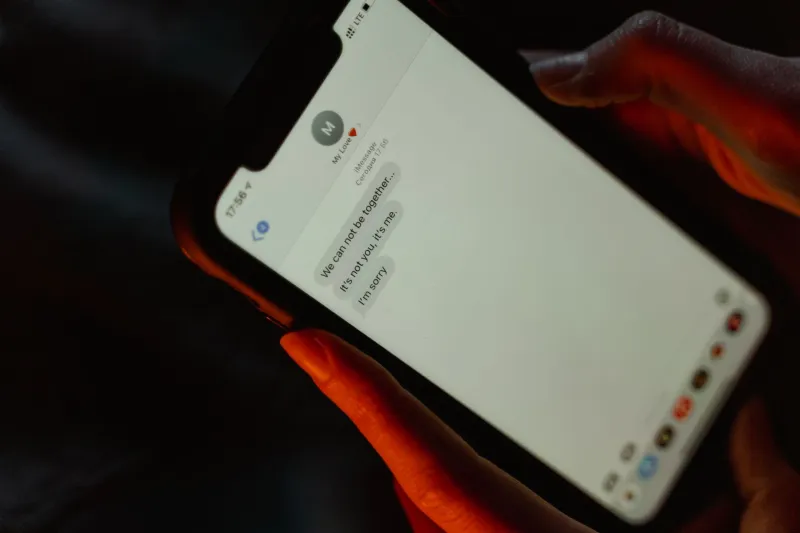
Gone Girl, But Make It Merch: How Celebrities Are Staging Digital Disappearances for Maximum Profit
It usually starts with a black screen. Or a single cryptic word. Or a carousel of old photos with no caption, posted at 11:47 p.m. on a Tuesday. Within minutes, the comments are a disaster zone of crying emojis, 'WHAT DOES THIS MEAN' in all caps, and fan accounts already writing eulogies for a person who is, in all likelihood, sitting in a production meeting eating a cheese plate.
The staged celebrity disappearance has become one of the most reliable engagement mechanisms in the modern pop culture toolkit. And somebody — several somebodies, actually — is getting very, very paid to orchestrate it.
The Anatomy of a Fake Goodbye
Let's walk through the playbook, because at this point it IS a playbook, distributed in some form to social media teams, PR firms, and content strategists across the industry.
Step one: the 'final' post. This is the cryptic content drop — vague enough to imply finality, specific enough to feel personal. The goal is maximum interpretive chaos. Fans will do the rest for free, spinning theories across TikTok, Reddit, and Twitter/X for anywhere from 48 hours to two weeks depending on how well the original content was seeded.
Step two: the silence. The account goes dark, or nearly dark. Maybe a story goes up and comes down fast enough that only the most obsessive fans catch it — which they will, and they'll screenshot it, and they'll post it everywhere. This is not an accident. The 'accidental' visible-then-deleted content is a feature, not a bug. It keeps the speculation engine running without requiring new material.
Step three: the resurrection. Timed — always timed — to a release, a partnership announcement, a tour presale, or a streaming premiere. The return post pulls enormous engagement because the algorithm treats it like a major event. Which it is, because the disappearance manufactured the anticipation that makes it one.
Who's Signing Off on This
The short answer is: everyone. The longer answer involves a specific tier of digital PR firms that have essentially built their entire value proposition around emotional manipulation at scale — which they would describe as 'narrative momentum strategy,' but same thing.
'The platform mechanics make this almost irresistible,' explains one social media strategist who has worked with both music and film clients. 'When someone comes back from a disappearance, the algorithm treats their first post like a returning user — it gets pushed hard. If you time that push to a release, you've essentially gotten a free promotional boost that you could not have bought at any price.'
TikTok in particular has become the premier venue for this kind of stunt because its discovery algorithm is uniquely responsive to emotional engagement signals — shares, saves, and the specific kind of frantic comment activity that 'is she okay??' content generates in industrial quantities. The platform doesn't distinguish between authentic distress and manufactured distress. It just sees engagement and feeds the fire.
Some of the more sophisticated operations seed fan accounts ahead of time — not necessarily paying them, but quietly alerting them that 'something is coming' so that the response infrastructure is primed before the cryptic post even drops.
The Real Disappearances Are Getting Harder to Find
Here's where it gets genuinely uncomfortable. The proliferation of staged disappearances has created a credibility crisis for the real ones. When a celebrity who is actually struggling goes dark, the first instinct for a significant portion of the internet is now to wonder what they're selling.
'The crying wolf problem is real,' says a crisis communications consultant who works primarily with entertainment clients. 'I've had situations where a client needed genuine space and privacy and the fan reaction was essentially, okay, what drops in six weeks? That's a direct consequence of the ecosystem that's been built.'
The industry, characteristically, has responded to this problem by trying to monetize it. There's now a premium placed on 'authentic-seeming' disappearances — ones that don't follow the template too closely, that have enough rough edges and inconsistency to feel real. Consultants are being hired specifically to introduce controlled imperfection into the vanishing act. The fake disappearance is now hiring people to make it look less fake.
Platform Accountability (LOL)
If you're waiting for TikTok, Instagram, or YouTube to step in and flag this kind of manufactured emotional content, you will be waiting for a very long time. The platforms benefit from the engagement spikes these stunts generate. A celebrity disappearance that drives three days of frantic fan content is an enormous gift to any algorithm. There is precisely zero financial incentive to discourage it.
Some creators have started disclosing the mechanics post-hoc — a behind-the-scenes TikTok explaining that the 'goodbye' was for a project, delivered with the self-aware wink of someone who knows the disclosure itself will go viral. Which it does. Which is also calculated. The transparency is part of the act now. It's disappearances all the way down.
What You're Actually Watching
The next time a celebrity you follow posts something that makes you feel a sudden, lurching anxiety about their wellbeing, take a breath and check the date. Is there an album cycle coming? A movie in post-production? A brand deal that's been quiet for a few months?
Chances are, the black screen has a budget line. The cryptic caption was focus-grouped. And somewhere, a social media team is watching the comment count climb with the quiet satisfaction of people who have done this before and will absolutely do it again.
The cheese plate, by the way, is usually brie.