The Digital Graveyard Diggers: How Stars Pay Top Dollar to Kill Their Own Greatest Hits

The Art of Strategic Forgetting
Remember when you couldn't escape that one song on the radio? The one that launched a career, dominated TikTok, and probably soundtracked at least three of your questionable life decisions? Well, there's a decent chance the artist who created it is now paying serious money to make sure you forget it ever existed.
Welcome to Hollywood's newest cottage industry: legacy assassination. While most of us are desperately trying to go viral, A-listers are dropping six figures to kill their own hits deader than last season's fashion trends.
The Million-Dollar Memory Hole
Meet the "legacy management" specialists — a shadowy network of fixers, entertainment lawyers, and streaming platform insiders who've turned career reinvention into an exact science. These aren't your typical publicists spinning bad press into good vibes. These are digital archaeologists working in reverse, systematically burying the very content that put their clients on the map.
The process is surprisingly sophisticated. First, they identify the "problem content" — usually early hits that clash with an artist's current brand evolution. Think pop princess trying to go indie, or former Disney star pivoting to serious dramatic roles. Then comes the systematic suppression campaign.
Streaming platforms get mysterious requests to "deprioritize" certain tracks in algorithmic recommendations. Social media teams launch coordinated efforts to flood search results with newer content. Music videos get quietly unlisted or buried under technical difficulties that somehow never get resolved.
The Economics of Erasure
The numbers are staggering. Industry insiders whisper about deals worth $2-3 million just to reduce a single song's digital footprint. One unnamed pop star reportedly spent $5 million to suppress a viral dance trend that had defined their entire 2019, because it didn't align with their new "serious artist" rebrand.
But here's the kicker — it's not just about removing content. The real artistry lies in replacement. Legacy management teams don't just bury old hits; they manufacture new "organic" viral moments to fill the void. They're essentially performing surgery on the internet's collective memory, one algorithm tweak at a time.
The Streaming Wars Underground
The major platforms are surprisingly complicit in this digital revisionism. Spotify, Apple Music, and YouTube have all developed internal departments that handle these "content optimization requests." They're not technically removing anything — just making sure the algorithm develops sudden amnesia about certain tracks.
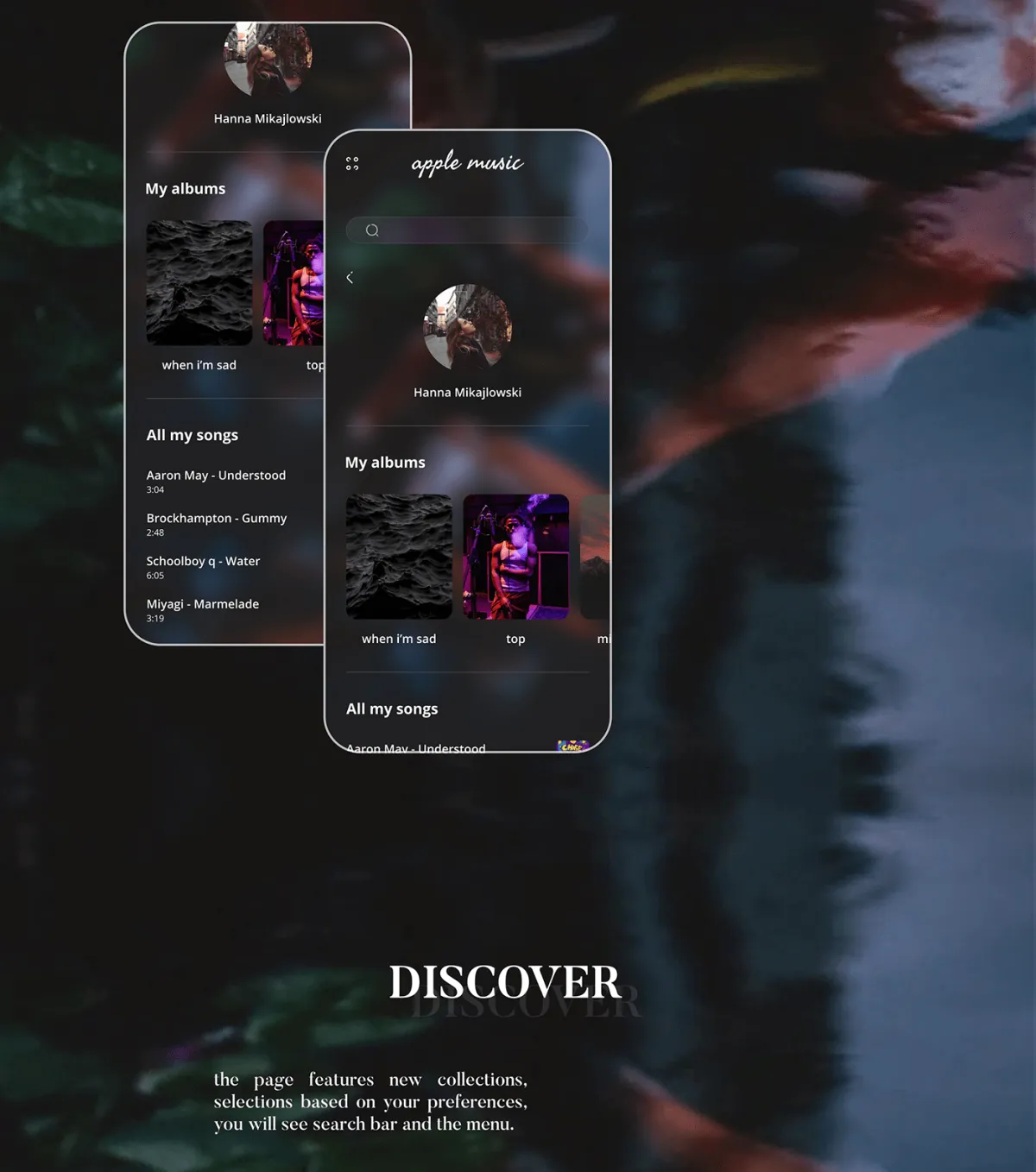 Photo: Apple Music, via mir-s3-cdn-cf.behance.net
One former Spotify employee (who requested anonymity because apparently even talking about this stuff can get you blacklisted) revealed the existence of "shadow playlists" — curated lists that actively exclude specific songs from recommendation engines. "It's not censorship," they explained. "It's strategic curation. The song still exists, but good luck finding it unless you search for it specifically."
The Psychological Warfare of Rebranding
The most fascinating aspect of this industry is how it exploits our own psychological biases. Humans are remarkably bad at remembering when we stopped hearing something. If a song gradually disappears from our feeds, playlists, and recommendation algorithms, we don't notice the absence — we just move on to whatever fills that space.
Legacy management teams hire behavioral psychologists to map out the optimal "fade trajectory" for suppressing content. Too fast, and people notice. Too slow, and the old brand image lingers too long. The sweet spot, according to industry data, is an 18-month gradual decline that feels completely natural.
The Collateral Damage
Of course, there are casualties in this digital warfare. Fans who built entire social media presences around celebrating an artist's "forgotten" era find their content mysteriously getting less engagement. Cover artists and remix creators discover their videos getting buried in search results. Even legitimate music journalists struggle to find primary sources when writing retrospective pieces.
The irony is delicious: in an age where everything is supposed to live forever online, celebrities have figured out how to make their own content disappear more effectively than any government censorship program.
The Future of Selective Memory
As this industry matures, we're seeing the emergence of "legacy insurance" — contracts that give artists the right to retroactively suppress their own content if it becomes brand-damaging. Some major labels are now including "digital erasure clauses" in new artist contracts, essentially giving them a built-in self-destruct button for their own careers.
The ultimate question isn't whether this practice will continue — it's whether audiences will ever catch on to the fact that their favorite artists' discographies are being actively curated in real-time. In a world where authenticity is the ultimate currency, the biggest authentic move might be paying millions to pretend your past never happened.
After all, in the attention economy, sometimes the most powerful thing you can do is make people forget you ever existed in the first place.