Pocket-Sized Power Players: Why TikTok's 500K Club Is Making Hollywood Sweat
The New Math of Fame
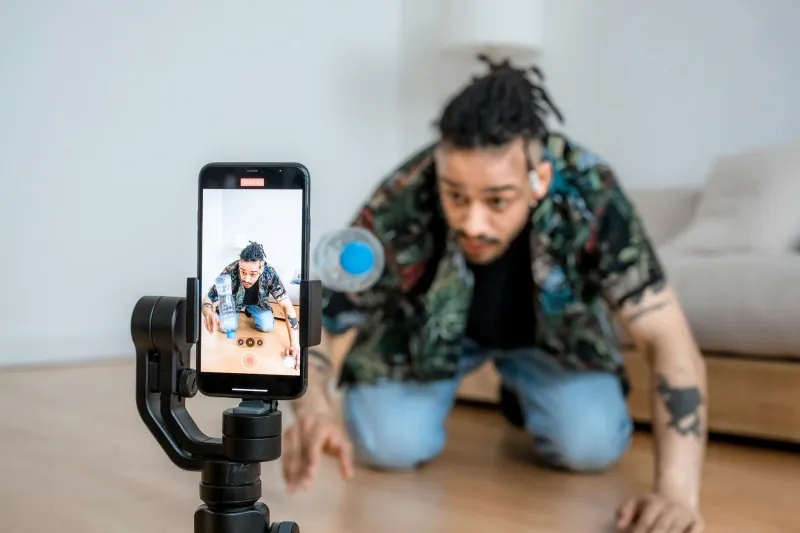
While Hollywood executives obsess over A-list Instagram follower counts, a quiet revolution is happening in the creator economy's middle tier. Meet the 500K Club — TikTok creators with modest followings who are somehow landing bigger paychecks than actors with prime-time shows.
Take Sarah Chen, a 23-year-old from Portland with 480,000 TikTok followers who reviews vintage thrift finds. Last month, she signed a six-figure deal with Urban Outfitters that includes her own clothing line, store appearances, and creative control that would make seasoned celebrities weep with envy. Meanwhile, actors from canceled Netflix shows are still waiting for their agents to return their calls.
 Photo: Sarah Chen, via i.discogs.com
"The engagement rate is everything," explains digital marketing strategist Marcus Rodriguez, who's brokered deals for dozens of micro-celebrities. "A creator with 500K genuinely engaged followers is worth more to brands than a celebrity with 10 million passive Instagram followers who just scroll past sponsored posts."
The Authenticity Arms Race
The uncomfortable truth Hollywood is grappling with? Audiences trust creators more than traditional celebrities. When a micro-influencer recommends a skincare routine, their followers actually buy it. When a movie star does the same thing, everyone knows it's a paycheck performance.
This shift has created what industry insiders call the "authenticity premium" — the extra value brands place on creators who feel like real people rather than polished marketing machines. Micro-celebrities charge between $5,000 to $50,000 per sponsored post, but their conversion rates often demolish those of traditional celebrity endorsements.
"My audience knows when I'm being real," says Jake Morrison, a 26-year-old creator with 750K followers who documents his life as a small-town firefighter. "When I say I actually use a product, they believe me because they've watched me brush my teeth in my bathroom for two years."
 Photo: Jake Morrison, via i.pinimg.com
Studios Start Shopping Small
The entertainment industry's gatekeepers are quietly adapting. Netflix recently cast three TikTok micro-celebrities in supporting roles for an upcoming rom-com — not for their acting experience, but for their built-in audiences and natural screen presence. Disney+ has launched a pilot program specifically targeting creators with 200K to 1M followers for unscripted content.
"We're seeing a fundamental shift in how we think about star power," admits a casting director at a major studio who requested anonymity. "Sometimes a creator with 600K engaged followers brings more value than an established actor with traditional representation."
The numbers back this up. Micro-celebrity-driven content consistently outperforms traditional celebrity content across key metrics: engagement, shareability, and most importantly for studios, conversion to actual viewership.
The Gatekeepers Fight Back
Not everyone in Hollywood is rolling out the red carpet. Traditional talent agencies are scrambling to sign micro-celebrities before they realize they don't need representation. Established celebrities are increasingly collaborating with smaller creators, hoping to absorb some of their authenticity magic.
But the creator economy's middle class isn't playing by Hollywood's rules. They're building direct relationships with brands, negotiating their own deals, and maintaining creative control that would make established celebrities jealous.
"The old model was about scarcity — only a few people could be famous," says digital culture analyst Dr. Amanda Foster. "The new model is about abundance. There's room for thousands of micro-celebrities, each with their own dedicated audience."
The Uncomfortable Future
As micro-celebrities continue gaining influence and income, traditional Hollywood faces an existential question: what happens when being famous matters less than being trusted? The answer is already playing out in boardrooms across Los Angeles, where executives are quietly shifting budgets from celebrity endorsements to creator partnerships.
The revolution isn't coming — it's already here, one 60-second video at a time. And Hollywood's lunch? It's being eaten by creators who film themselves making actual lunch in their actual kitchens, building the kind of authentic connection that no amount of traditional star power can manufacture.